MOQ
Ask for [MOQ] by model, color and packaging configuration.


HARD LURES / BAITFISH PROFILES
Compare types. Specify the model. Request a project quote.
Minnow lures are hard fishing lures shaped to imitate small baitfish. Floating, suspending and sinking versions serve different water layers and retrieve styles. This page helps tackle brands, importers and distributors define an assortment and prepare a brief for a manufacturer before requesting model-level specifications and commercial terms.
PRODUCT TYPES
These are type guides, not verified SKUs. Images are illustrative stock photographs; request current model photos and data before selecting products.

Rise on a pause. Review lip shape and rated depth for shallow-water assortments.
Compare floating models →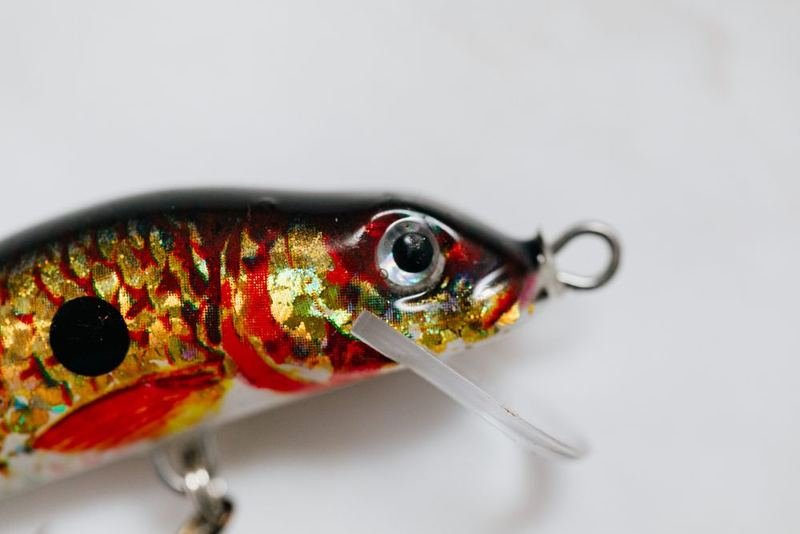
Designed to hold near a working depth on a pause; exact behavior depends on the model.
Compare suspending models →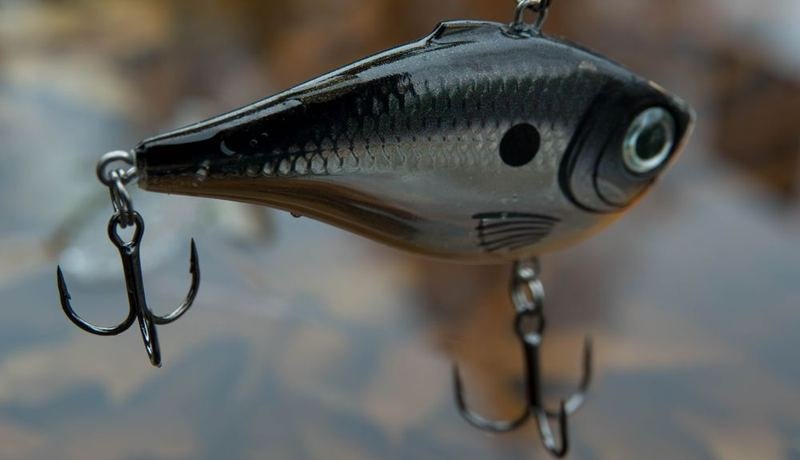
Descend through the water column. Confirm sink rate, casting weight and retrieve range.
Compare sinking models →
Segmented bodies add movement. Confirm joint design, action and available sizes by model.
Compare jointed models →
Specify target casting distance and weight. Internal transfer systems require model confirmation.
Compare casting models →
Compact profiles suit smaller-species programs where reduced body size is required.
Compare micro models →MODEL DATA
Specifications vary across models. Use the fields below as a purchasing checklist, then request the current model sheet, photographs and packing details. No dimensions, weights, depths or materials are stated without a verified SKU. A confirmed reference sample should match the final order specification.
Request a specification sheet →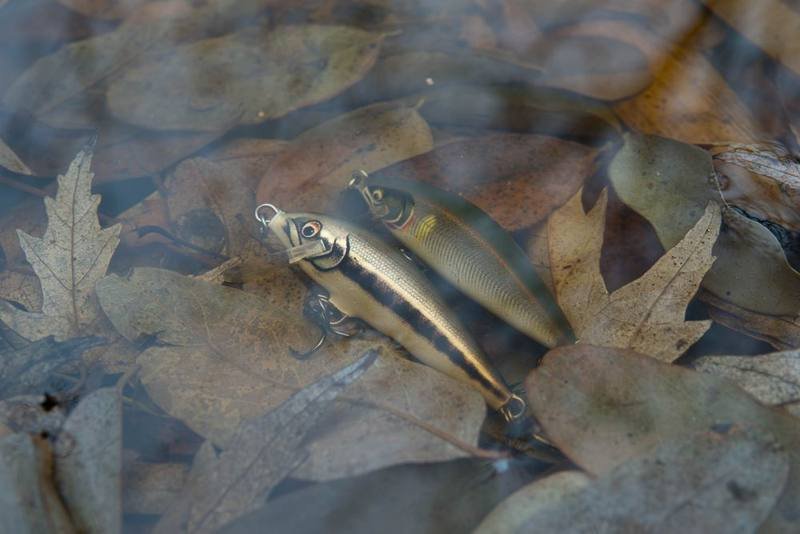
| Model / SKU | To confirm | Lure type | Floating, suspending, sinking or other |
|---|---|---|---|
| Length / weight | To confirm by SKU | Diving depth | To confirm by model and retrieve |
| Body material | To confirm | Swimming action | To confirm with sample |
| Lip / buoyancy | To confirm by design | Weight transfer / rattle | Only if specified |
| Hooks / split rings | To confirm | Finish / colors | Available range to confirm |
| Water type | Freshwater or rated saltwater | Packaging | To confirm for the order |

BUYING TERMS
Commercial terms depend on the selected model, order mix and customization. Confirm them in a written quote rather than assuming one policy applies to every lure.
Ask for [MOQ] by model, color and packaging configuration.
Request the current sample policy and available physical references.
Confirm [Lead Time] after quantity and artwork are approved.
Ask whether several models can share one purchase order.
Specify bulk or retail format; confirm available options.
State destination and preferred shipping terms for quotation.
PURCHASE CONTROL
Agree on measurable acceptance points before purchase. A model sheet and approved reference can help buyers compare the final order with the agreed body, finish, hardware and packing configuration. Ask LURENEXA which checks apply to your selected model and order.

Define the desired swim and pause behavior.
Record length, weight and permitted tolerance.
Approve color and coating against a reference.
Specify hooks, rings and corrosion needs.
Check artwork, count and label placement.
Confirm changes before samples become production.
CUSTOM PROGRAMS
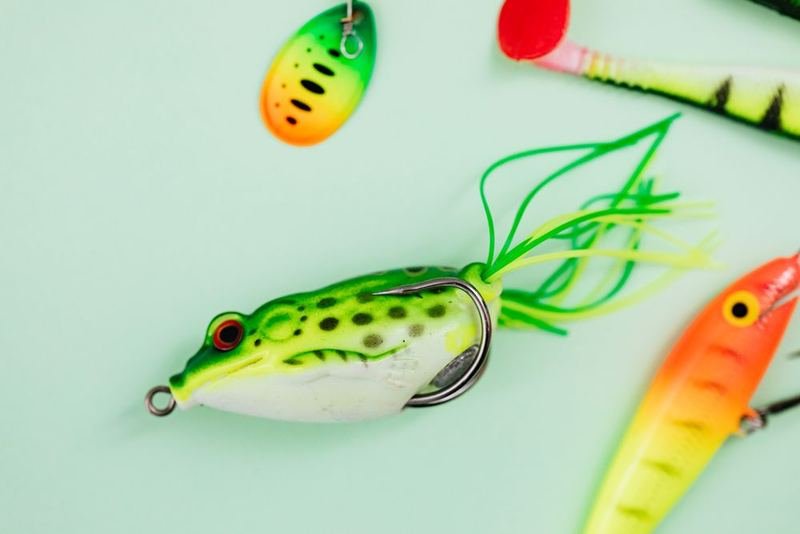
OEM work starts from an existing or buyer-specified lure and a clear target specification. Ask which body, finish, eye, hardware, logo and packaging options are available for the chosen model. Availability and minimums may differ by option.
ODM work can involve a new or modified design only after the scope, development process, tooling and approval stages are confirmed. Share a reference sample or drawing so the feasibility discussion is specific. No mold, exclusive specification or private-label option should be treated as approved until it appears in a written project brief.
Define profile, buoyancy and swim target.
Provide physical or artwork references.
Confirm hook and split-ring requirements.
Share format, language and label files.
PROJECT STEPS
Use this sequence to define a project. Confirm the actual approval and inspection stages for the selected lure before placing an order.

Share target market, fish, water, quantity and product reference.
Agree on model, action, dimensions, finish, hardware and pack.
Confirm available proofing and approve the agreed reference.
Check buoyancy, action and casting needs where applicable.
Proceed only after scope, timing and price are agreed.
Confirm applicable checks, packing and shipment documents.
CONSISTENCY
For each confirmed model, document the checks that matter to its use and market. These may cover body dimensions and weight, lip alignment, buoyancy or swim action, finish, eye placement, hooks, split rings and packaging accuracy. Ask for the actual sampling plan and acceptance criteria; do not assume every test is part of every order.


WHERE THEY FIT
Application depends on model size, action, depth and hardware. Match the lure to the water and target species before claiming suitability in a retail listing.
Compare shallow and mid-water models for casting and twitching.
Review smaller profiles for stream and lake programs.
Specify compact sizes and the intended retrieve depth.
Confirm larger body and hardware requirements by model.
Match depth and action to the intended water layer.
Use only models with suitable materials and corrosion-resistant hardware.

PRODUCT BASICS
Minnow lures are hard baits designed to imitate small baitfish. Their slim bodies, lips or other action features create movement under a retrieve. A model can be floating, suspending or sinking; each behavior changes how it moves through the water and responds to a pause.
Some minnow fishing lures use a jointed body, compact micro profile or design intended for longer casts. Body material, dive range, rattle, transfer system, hook layout and water compatibility are model-specific. Buyers should compare those details rather than treating every baitfish-shaped hard lure as interchangeable.
Determines rise, hold or descent on a pause.
Depends on body, lip and retrieve.
Must match species and water conditions.

TYPE GUIDE
Use these distinctions to shortlist models. The table describes typical type behavior; actual performance must be confirmed from current product data and a relevant sample.
| Type | Typical behavior | Buyer use |
|---|---|---|
| Floating | Rises on a pause | Shallow-water assortment |
| Suspending | Holds near working depth | Twitch-and-pause presentation |
| Sinking | Descends after casting | Controlled access to deeper water |
| Jointed | Segmented swimming movement | Distinct visual action |
| Long-casting | Designed for greater casting reach | Distance-oriented programs |
| Micro | Compact baitfish profile | Finesse and smaller predator programs |
BUYER CHECKLIST
Send a short product brief with your inquiry. It helps identify a suitable existing model or a customization scope without adding fields to the form.


B2B COOPERATION
This minnow lure type range is relevant to tackle brands, importers, distributors, wholesalers and retailers planning a baitfish-lure assortment. Start with the target market and a shortlist of models. Then confirm whether standard supply, color selection, private label, branded packaging or development support is available for those exact products.
Request current model photos, specifications, sample terms and a written quotation before publishing a catalog. The stock photographs on this page illustrate fishing tackle and do not verify LURENEXA inventory, clients, facilities or inspection results. For company context, read About Us.

PRODUCT QUESTIONS
Short answers to common product questions. Model-level facts still need confirmation.
A minnow lure is a hard fishing lure shaped to imitate a small baitfish. Its action depends on the body, lip and retrieve.
Floating types rise, suspending types hold near a working depth, and sinking types descend during a pause. Exact behavior varies by model.
Bass, trout, perch, pike and walleye are common targets. Match lure size, action and hardware to the species and water.
Only select a model for saltwater when its materials and hardware are confirmed suitable for corrosion exposure.
Steady retrieves, twitching, jerking and pauses are common. Trolling suitability must be checked for the specific model.
Include artwork, color and packaging requirements in your inquiry. Availability, minimums and approval steps need model-specific confirmation.

PROJECT INQUIRY
Tell us your preferred lure type, target market, quantity, specifications, packaging and customization requirements. Email sales@lurenexa.com if you have a reference sample or drawing to discuss.