

MAIN ARTICLE
What Is a Crankbait?
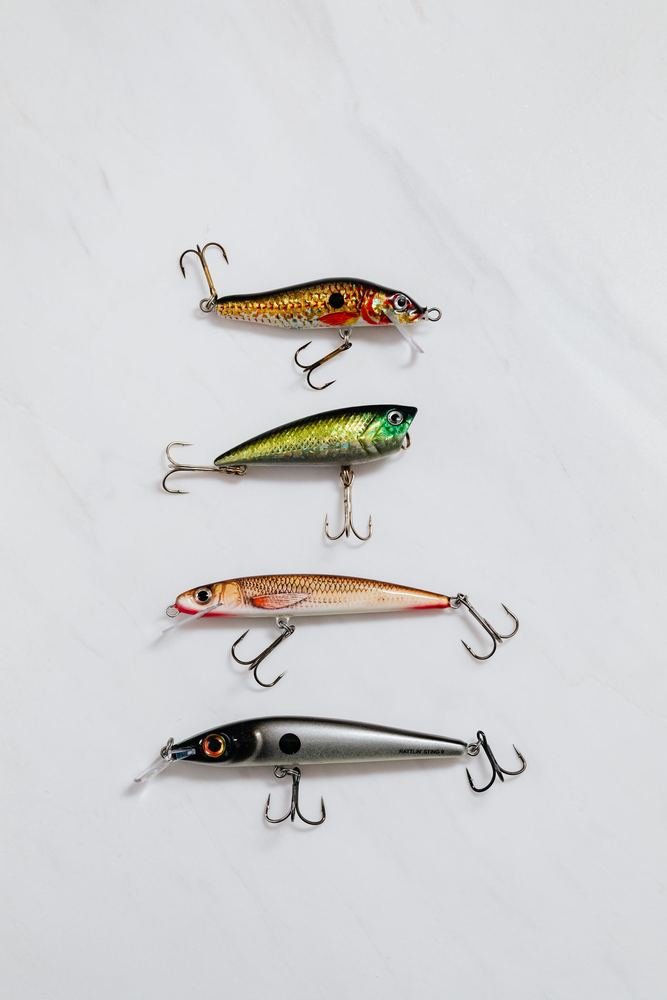
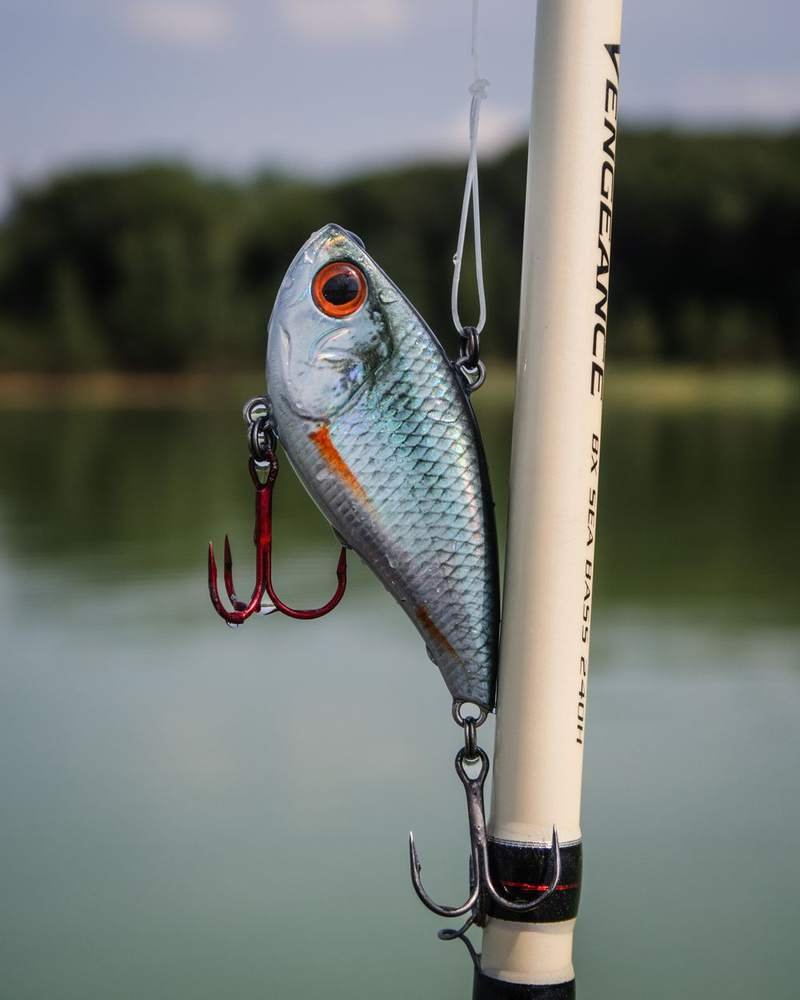
A crankbait is a hard-bodied artificial fishing lure built to swim, wobble, or vibrate when pulled through water. Its rigid body may be made from molded plastic, wood, or another durable material. Many bodies suggest shad, minnows, bluegill, crawfish, or other local forage, although their movement can be more important than a perfect imitation.
A conventional diving crankbait has a front bill and commonly carries one or more treble hooks. A lipless crankbait has no projecting diving bill; body shape, line-tie placement, weight, and retrieval style create its vibration and control its running zone. This difference matters when choosing a lure for grass, wood, or open water.
Crankbait Anatomy
- Body: the rigid profile that moves water and presents a prey shape.
- Bill or lip: the projecting surface on many diving models.
- Line tie: where the line or snap pulls the lure.
- Hooks: often exposed treble hooks, requiring care around heavy cover.
- Weights and rattles: present in some designs for balance, casting, or sound.
- Finish: a color and pattern that change its appearance in the water.
How Does a Crankbait Work?
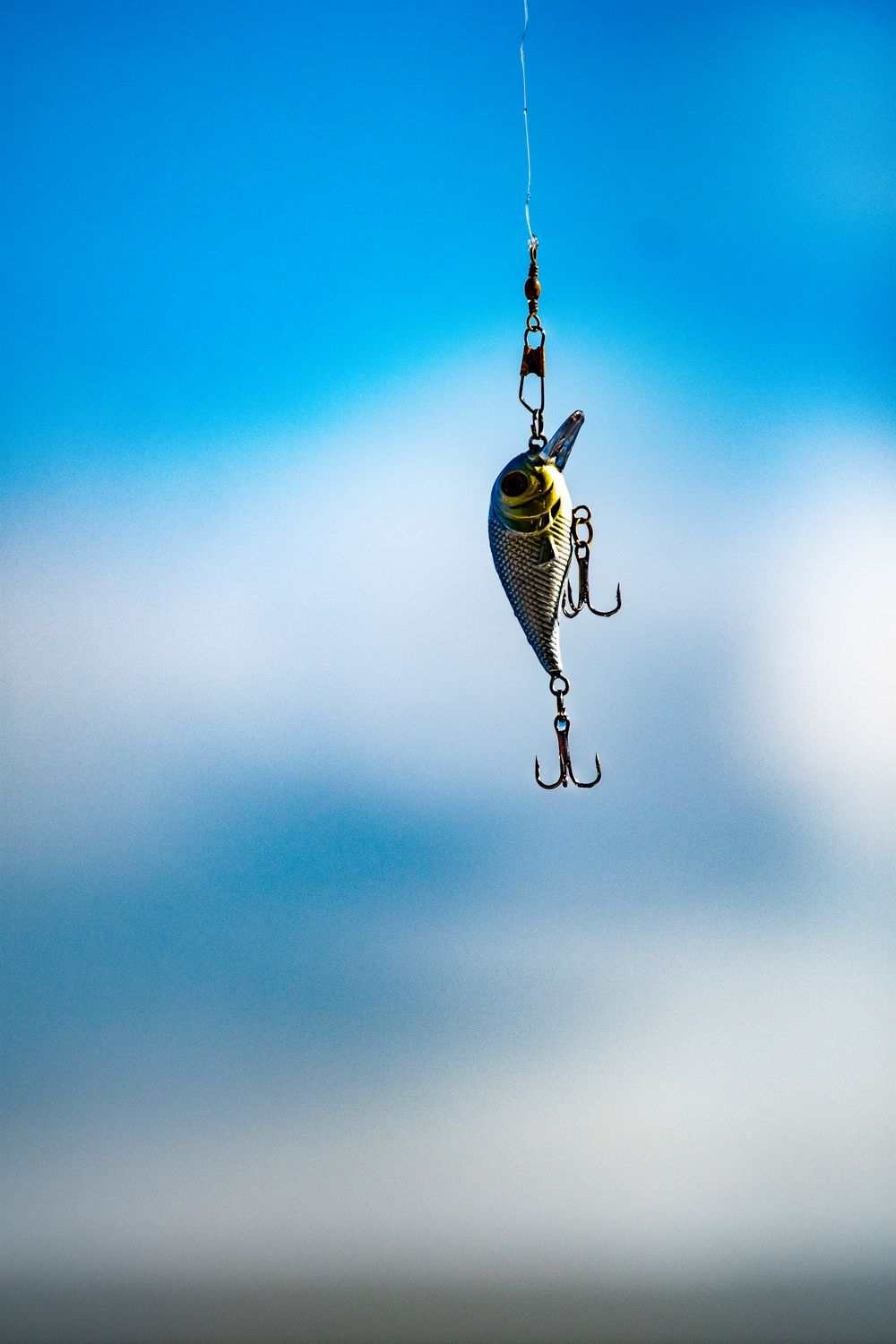
Retrieving a diving crankbait pulls it forward by the line tie. Water resists the forward movement, especially at the bill. That pressure helps angle the lure downward while flow around its body produces the repeated side-to-side or rolling motion anglers call action. The body does not move because it has a motor; the pull, its shape, and water together make it swim.
Bill size, shape, angle, and attachment point influence the path. A longer bill is often part of a deeper-diving design, while a short lip commonly belongs to a shallow runner. Yet the bill is more than a depth switch. It can alter wobble and strike rock or wood before the lure's hooks do. After contact, the lure may kick sideways or briefly change speed. That deflection can look like escaping prey.
Buoyancy pushes against the downward movement of a floating lure. As the retrieve continues, the bait normally settles into its designed running zone rather than diving without limit. Its actual path depends on the complete design, casting distance, line diameter, line angle, speed, water movement, and the depth available. A stated depth is a useful reference, not a promise for every cast. Rapala's DT series illustrates how manufacturers build models for distinct diving ranges.
A lipless crankbait follows a different mechanical route. It usually sinks when paused; on the retrieve, body and line-tie geometry make it vibrate. The angler can let it fall, reel it horizontally, or lift and drop it. This gives flexible depth control, but it also means that leaving it still over the bottom can quickly change its position.
Movement sequence: Cast → Retrieve → Bill catches water → Lure dives → Body oscillates → Lure reaches its running zone → Contact or speed changes alter its action.
What Does “Action” Mean on a Crankbait?

Action is the characteristic movement a lure produces as it travels. A crankbait may combine several motions at once, and the feeling at the rod tip is only part of the picture. Look at the lure in clear, shallow water to separate its actual movement from the vibration transmitted through your tackle.
Wobble
Wobble is repeated side-to-side body movement. A tight wobble is comparatively small and quick; a wide wobble moves farther from side to side. Neither is automatically better. Water temperature, clarity, forage behavior, and the fish's response can favor different presentations.
Roll and Vibration
Roll is rocking around the body's long axis. It can expose alternating sides and create visible flash from a reflective finish. Vibration is the pressure disturbance made as the body moves through water. A rattling chamber adds sound, but a quiet lure still displaces water.
Hunting and Deflection
Some designs occasionally deviate from a perfectly straight path; anglers call this hunting. Deflection is a more obvious change after the lure touches a rock, stump, dock post, gravel bottom, or another object. A sudden kick can interrupt a repetitive swim and sometimes trigger a fish that was following. It can also snag an exposed hook, so the cover and hook layout matter.
| Action | What the Angler Sees | What Changes Underwater |
|---|---|---|
| Tight wobble | Small, rapid movement | Subtle displacement and vibration |
| Wide wobble | Pronounced side-to-side movement | Greater visual motion and water displacement |
| Roll | Alternating body sides | Changing flash and visible profile |
| Deflection | A sudden kick | A brief, erratic change in direction |
Main Types of Crankbaits
Squarebill Crankbaits
A squarebill has a squared-off diving lip and is closely associated with shallow cover. Its lip can strike an object and make the lure change direction. Anglers often work one beside laydowns, stumps, docks, riprap, shallow rock, flats, or vegetation edges. A squarebill can still snag: treble hooks and tangled wood do not become harmless because the lip is square.
Shallow-Diving Crankbaits
Shallow runners work in the upper part of the water column where forage or predators are close to shore, cover, or a shallow flat. Some have small rounded lips; others have different bill designs. Not every shallow diver is a squarebill. Choose by its measured working zone and behavior around the cover you intend to fish.
Medium-Diving Crankbaits
Medium divers bridge shallow cover and deeper structure. They can search mid-depth points, flat edges, submerged wood, weed lines, and transitions between bottom types. A lure that reaches the top of the cover may be more useful than one that runs well below it. Casting angle and line diameter can move the effective depth.
Deep-Diving Crankbaits
Deep divers commonly have a longer or larger bill and are designed for deeper points, ledges, humps, channel edges, rock, or submerged structure. They often pull harder than smaller shallow lures. Long casts can give a diving bait more distance to descend and travel near its running zone. Check the manufacturer's range, then adjust for your line and the bottom.
Flat-Sided Crankbaits
A flat-sided body often gives a tighter, less exaggerated action than a rounded body of similar size. That can provide a subtler alternative when fish follow a wide-wobbling lure without striking. Profile, bill, and buoyancy still vary, so a flat side alone does not specify its depth or season. Fish it wherever its actual path fits.
Lipless Crankbaits
A lipless crankbait has no projecting diving lip. Many models sink and create strong vibration as they move. Let one fall to a chosen depth, then reel steadily, burn it over vegetation, or lift and drop it in a yo-yo presentation. It can cover water quickly and search several depth bands. Around grass, a brief snap may clear vegetation, but exposed hooks remain vulnerable to fouling.
| Type | Main Characteristic | Depth Role | Typical Action | Common Situation |
|---|---|---|---|---|
| Squarebill | Square lip | Shallow | Wobble and deflection | Wood, rock, cover |
| Shallow diver | Shallow-running bill | Upper water | Design dependent | Shallow fish, flats |
| Medium diver | Intermediate design | Mid-depth | Often moderate wobble | Points, edges |
| Deep diver | Longer/larger bill | Deeper water | Strong movement | Ledges, humps |
| Flat-sided | Narrow profile | Varies | Often tighter | Subtle presentation |
| Lipless | No diving lip | Angler controlled | Strong vibration | Grass, open water |
How the Crankbait Bill Affects Depth and Action
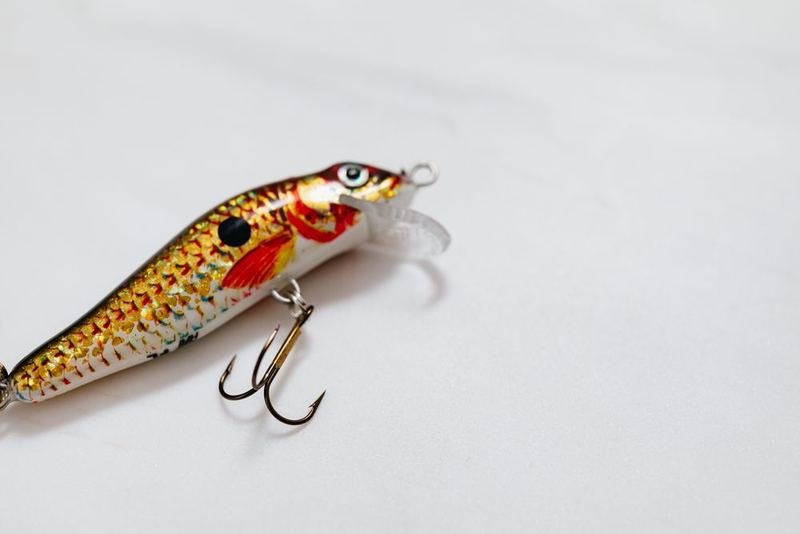
On a conventional crankbait, the bill is a major control surface. Length, width, angle, shape, and line-tie location all affect the forces the lure feels when pulled. A longer or larger bill is often part of a deeper-diving design, while a short bill commonly appears on a shallow runner. The complete lure determines the result, so bill length alone cannot predict an exact depth.
Square, rounded, coffin-shaped, and other lips may meet cover differently. A broad bill can contact a rock before the body and cause a distinct kick. Another shape may slide or dig differently. The same lip on a body with different buoyancy or balance would not necessarily behave the same way. That is why a package's depth rating and an on-water check are more helpful than a universal formula.
What Really Determines Running Depth?
- The whole lure design, including body size and profile.
- Bill geometry and the position of the line tie.
- Buoyancy, total weight, and internal balance.
- Line diameter and how much line is in the water.
- Casting distance, rod angle, current, and retrieve conditions.
- The manufacturer's design specification for the exact model.
Floating, Suspending, and Sinking Crankbaits

Buoyancy describes what a lure tends to do when the retrieve stops. It matters because a pause turns a continuously moving target into a rising, nearly stationary, or falling one. That change can keep a lure in view of a following fish or help it move away from cover.
| Buoyancy | Behavior When Paused | Practical Advantage |
|---|---|---|
| Floating | Moves upward | May back out of some obstacles; useful for rise-pause retrieves |
| Suspending | Stays near its current depth | Allows a longer pause in a useful zone |
| Sinking | Continues downward | Can reach deeper water through sink time |
These labels describe tendencies, not perfect behavior under every condition. Hook changes, snaps, line, water temperature, salinity, and manufacturing differences can alter how slowly a lure rises or sinks. Even a suspending model may drift. Watch it in the water before making a precise presentation.
How to Fish a Crankbait
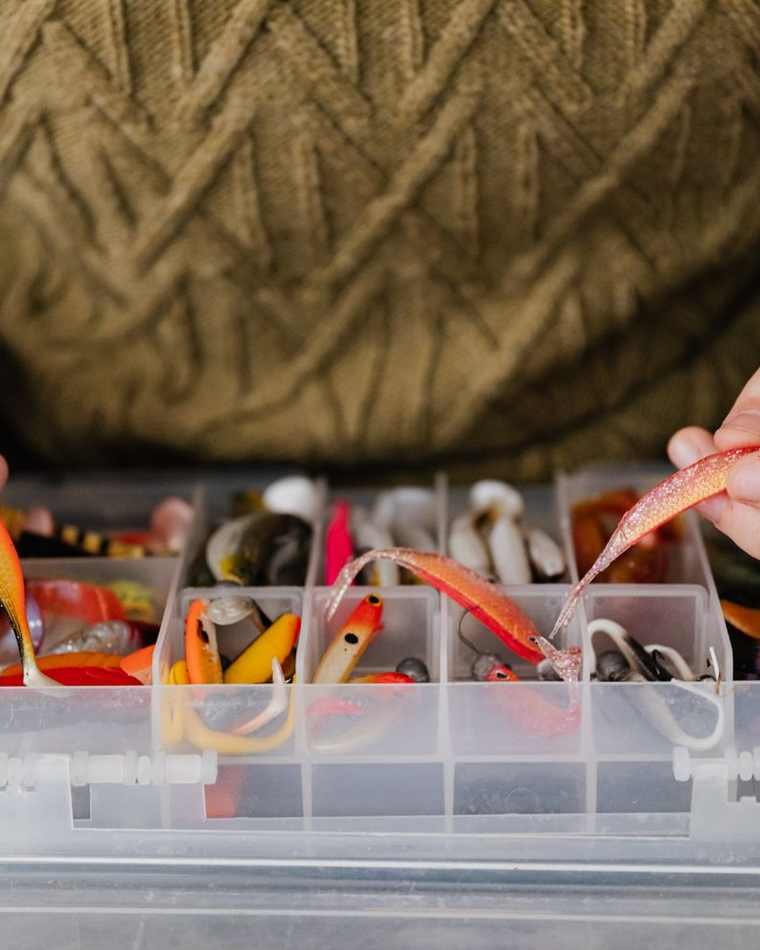
Start with a steady retrieve and treat each cast as a way to learn the water. A crankbait is effective only when its path overlaps the fish or the cover they use. These steps provide a baseline that you can adjust after seeing follows, strikes, bottom contact, or no response.
- Locate the likely depth. Use visible cover, bottom shape, electronics, or recent fish activity to estimate where a lure should run.
- Choose a matching model. Select a shallow, medium, deep, or lipless bait that can work that zone.
- Cast beyond the target. Give a diving lure room to descend before it reaches the intended rock, stump, or edge.
- Start reeling. Allow the lure to reach its working depth before judging its action near the target.
- Use a steady baseline. Keep enough tension to feel the bait's regular vibration and notice interruptions.
- Change pace deliberately. Try faster, slower, and stop-and-go retrieves, one change at a time.
- Make suitable contact. Let an appropriate bill tick rock, wood, gravel, or firm bottom when conditions allow.
- Use deflection. After contact, briefly change speed or pause instead of immediately pulling the lure away.
- Clear grass when appropriate. With a lipless bait, a controlled snap can free light vegetation; thick weeds may require another lure.
- Control the hooked fish. Keep steady pressure and avoid wrenching against small treble hooks.
| Retrieve | How It Works | When to Try It |
|---|---|---|
| Steady | Constant reel speed | Baseline and searching |
| Stop-and-go | Retrieve interrupted by pauses | Following or neutral fish |
| Bottom contact | Bill repeatedly touches firm bottom | Rock or gravel areas |
| Deflection | Lure strikes cover and changes direction | Wood, rock, structure |
| Burn | Faster continuous movement | Active fish, possible reaction bites |
| Yo-yo | Lift and fall | Primarily lipless crankbaits |
Do not force every retrieve through cover the bait cannot handle. Exposed trebles can foul in dense grass or brush. If contact repeatedly causes snags, change casting angle, running depth, line position, or lure style. A single well-placed cast along the cover can teach you more than ten identical casts across it.
How to Choose the Right Crankbait
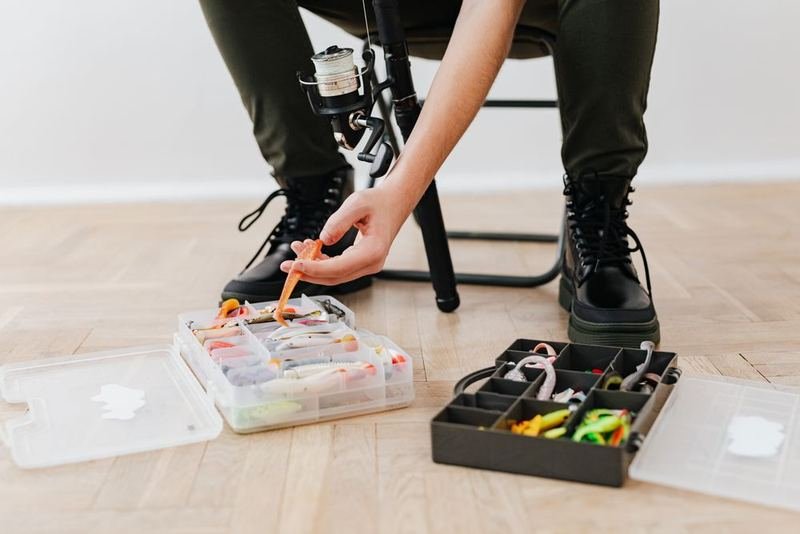
Begin with depth and cover, then narrow the choice. Paint is useful for visibility and prey resemblance, but a beautiful lure that never enters the fish's zone is a weak starting point. If you are unsure of the depth, carry a small range rather than several colors of one running model.
- Match depth. Choose a stated running range that overlaps the likely fish position. Allow for line and casting distance.
- Match cover. A squarebill may deflect around shallow wood or rock; a lipless bait may cover grass edges; a deep diver suits suitable offshore structure.
- Match forage. Select a reasonable prey size and body profile before fine-tuning the finish.
- Match action. Try a tighter action for a subtler signal or a wider wobble for greater movement, then judge the response.
- Consider clarity. Natural or controlled presentations can make sense in clear water; greater contrast or vibration can help in reduced visibility.
- Consider sound. Rattling and silent models offer different signals. Neither is universally superior.
- Consider buoyancy. Decide whether the pause should lift the lure, hold it near depth, or let it fall.
| Situation | Useful Starting Option | Reason |
|---|---|---|
| Shallow wood | Squarebill | Shallow path and possible deflection |
| Shallow open water | Shallow diver | Works the upper zone |
| Mid-depth structure | Medium diver | Reaches points and edges |
| Deep ledge | Deep diver | Designed for lower running range |
| Vegetation edge | Lipless bait | Variable depth and vibration |
| Subtle presentation | Flat-sided bait | Often has tighter action |
Why Crankbaits Trigger Fish
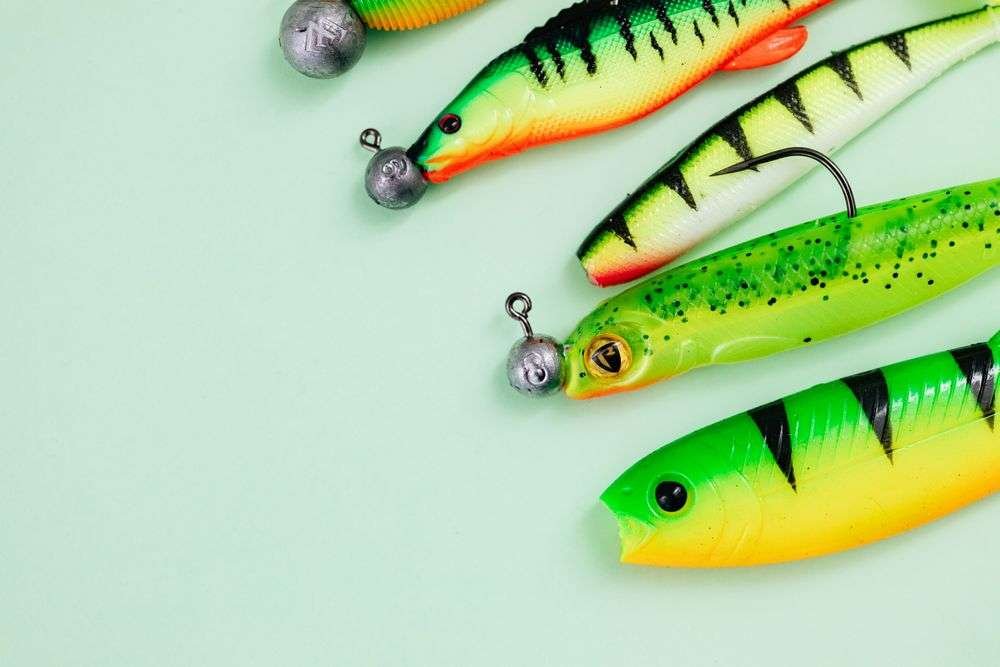
A crankbait offers several cues at once. Its profile may resemble prey, a reflective finish can flash as the body rolls, and each wobble displaces water. Fish can respond to movement they see and to disturbances they detect through the water. Some models also contain rattles; others are deliberately quiet.
When the bait touches rock or wood, an abrupt change of direction can make a steady retrieve look less predictable. Anglers often call a strike after such a change a reaction strike. The term describes a useful observation, not a guarantee or a complete explanation of a fish's behavior. A fish might also strike because the lure passes through its feeding area at the right depth and pace.
Crankbait vs. Jerkbait
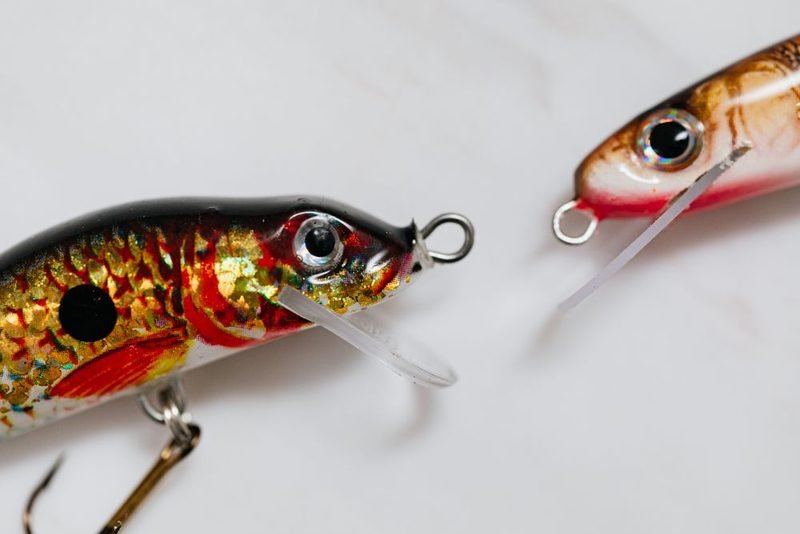
Both are often hard, fish-shaped lures, so the categories are easy to confuse. A conventional crankbait builds much of its swimming action into a steady retrieve. A jerkbait is commonly worked with rod-tip twitches that make it dart, followed by pauses. That difference changes the angler's rhythm and where each lure is easiest to keep in a useful zone.
| Feature | Crankbait | Jerkbait |
|---|---|---|
| Primary action | Largely made by the retrieve | Commonly made by rod twitches |
| Typical motion | Wobble, roll, vibration | Dart and pause |
| Retrieve | Often continuous or varied cranking | Often jerk-pause sequences |
| Common role | Search a running zone | Present erratic prey movement |
| Pause | Depends on buoyancy | Suspension matters on many models |
Common Crankbait Mistakes
- Never reaching the fish. Check the target depth and choose a model that actually runs there.
- Using a deep diver in very shallow water without a plan. Select a shallower runner unless deliberate bottom contact is the goal.
- Reeling every cast at one speed. Test controlled speed changes and pauses after establishing a steady baseline.
- Avoiding every obstacle. Suitable contact can create useful deflection; make it deliberate and account for snags.
- Ignoring depth ratings. Use manufacturer guidance as a starting range, then verify with your line and cast.
- Assuming faster always means deeper. Speed affects action and path, but line, design, and cast length also matter.
- Choosing color before depth and cover. Put the lure in the correct zone first, then refine visibility and finish.
- Overpowering hooked fish. Maintain controlled pressure with treble hooks instead of pulling abruptly.