
BASS FISHING GUIDE
What Is a Chatterbait? How It Works and When to Use It
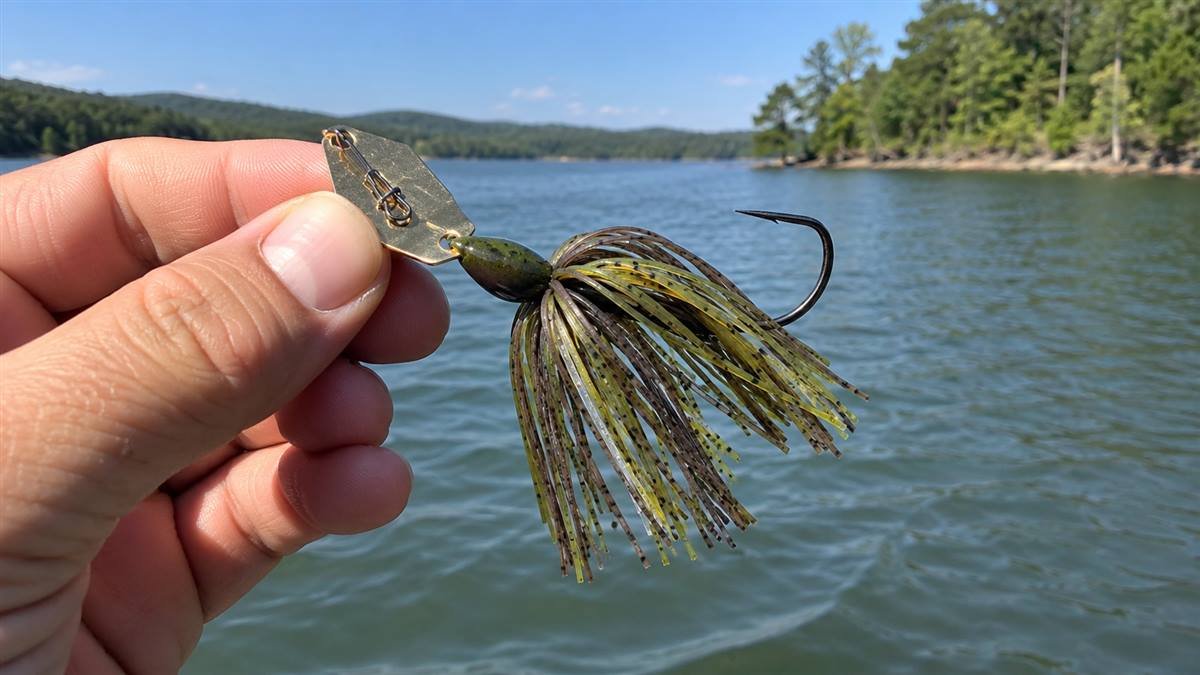
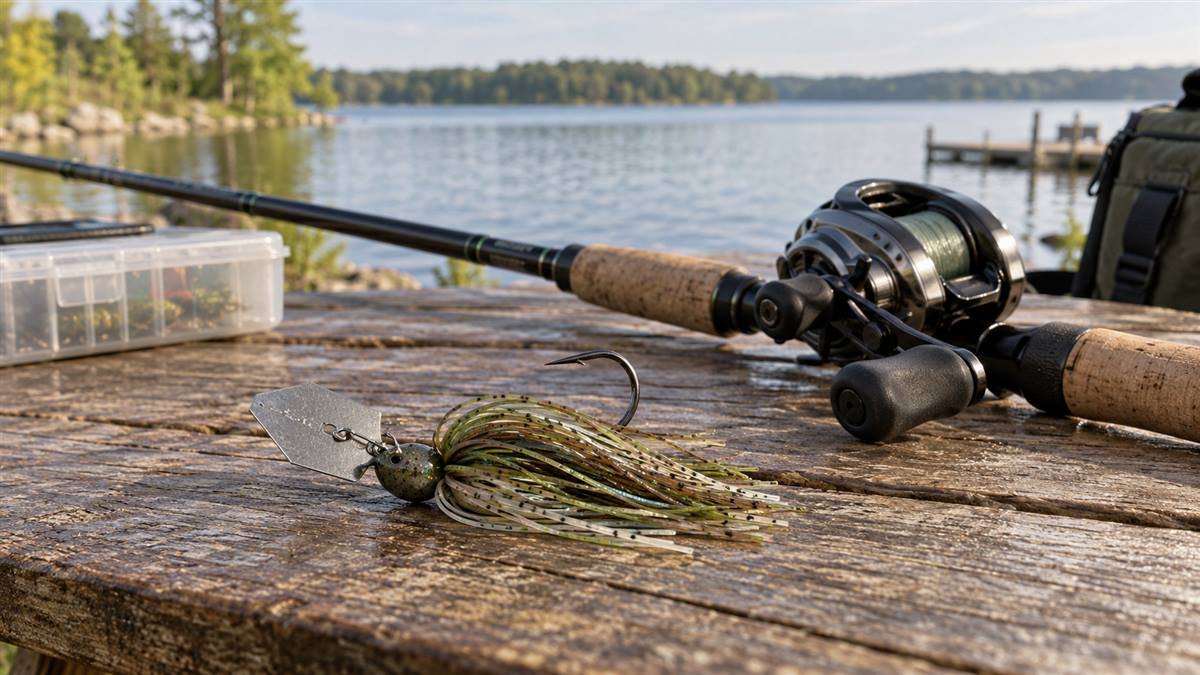
A ChatterBait is Z-Man's branded bladed jig: a weighted, skirted, single-hook lure with a metal blade immediately ahead of its head. As it swims, the blade oscillates and sends a distinct pulse through the lure. Anglers use that vibration to search for bass around grass, shallow cover, and baitfish. Similar lures from other makers are properly called bladed jigs or vibrating jigs.

AT A GLANCE
ChatterBait Quick Reference
- Lure type
- Bladed or vibrating jig
- Primary target
- Largemouth bass and other predators
- Key action
- Blade-driven vibration and swimming
- Start around
- Grass edges, shallow cover, stained water
- Season
- Spring pre-spawn; useful year-round
- Starter weight
- 3/8 or 1/2 ounce
- Basic retrieve
- Steady, then vary speed
- Common trailer
- Soft-plastic baitfish or swimbait
These are starting points, not fixed rules.
OVERVIEW
What Is a ChatterBait in Bass Fishing?
The defining feature is a blade connected at the front of a jig-style body. Pulling the lure through water makes the blade swing rapidly from side to side. That motion moves the head, skirt, and any soft-plastic trailer. The result is a swimming profile with strong feedback through the rod and line.
Ron Davis developed the original ChatterBait, which became associated with Z-Man. The name remains a Z-Man trademark; “bladed jig” describes the wider lure category. A conventional jig depends largely on the angler's hops, drags, or steady swim. A bladed jig creates its own pulse as it moves, so a beginner can start with a straightforward cast and retrieve.
The lure can suggest fleeing baitfish, bluegill, or another small prey item, depending on color, profile, and trailer. Its vibration and water displacement provide cues beyond visual appearance, while a single hook and skirt help it move near suitable vegetation. Bass may follow, ignore, or strike it; the lure's value is its ability to cover water and reveal where responsive fish are holding.
- Distinct blade feedback makes a working retrieve easy to feel.
- Long casts help search grass flats and edges efficiently.
- Different trailers change profile, lift, and movement.
- It can work in several seasons and water conditions.
Anatomy of a ChatterBait: Understanding Its Main Components
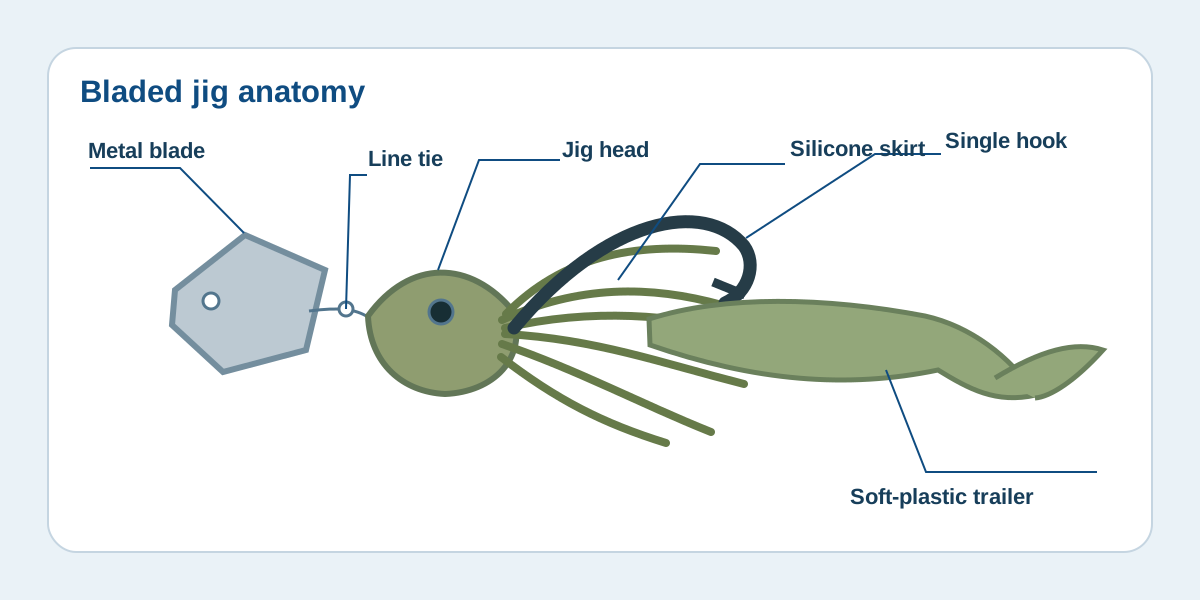
Look at the lure from front to back before you cast. The flat metal blade is first. A line tie on or near that blade receives pulling force from the line. A short connection joins the blade to the weighted jig head. As water pushes against the blade, the connection constrains its travel and passes movement into the head. Different brands and models use different shapes and linkages, so they will not feel identical.
The head provides mass for casting and helps the lure sink toward its running lane. Its weight is only one depth control: line angle, retrieve speed, blade resistance, and trailer drag also matter. Flexible silicone skirt strands breathe around the head and enlarge the moving silhouette. A single upward-facing hook sits within or above that skirt. Its point must remain exposed enough to penetrate when a bass takes the bait.
A soft-plastic trailer is commonly threaded onto the hook behind the skirt. A slim baitfish shape keeps the presentation compact; a paddle tail or craw-style body may add resistance and change lift. Check that the trailer runs straight and does not foul the blade or cover the hook point. Some anglers fish a bladed jig without a trailer, but doing so changes both the profile and the swimming response.
| Component | Primary function | Why it matters |
|---|---|---|
| Blade | Oscillates in moving water | Creates vibration and movement |
| Line tie / connection | Transfers pulling force | Shapes the blade's mechanics |
| Jig head | Adds weight | Helps set running depth |
| Silicone skirt | Moves around the head | Builds a prey-like profile |
| Hook | Hooks the fish | Needs a clear, sharp point |
| Trailer | Changes drag and silhouette | Tunes the presentation |
How Does a ChatterBait Work Underwater?
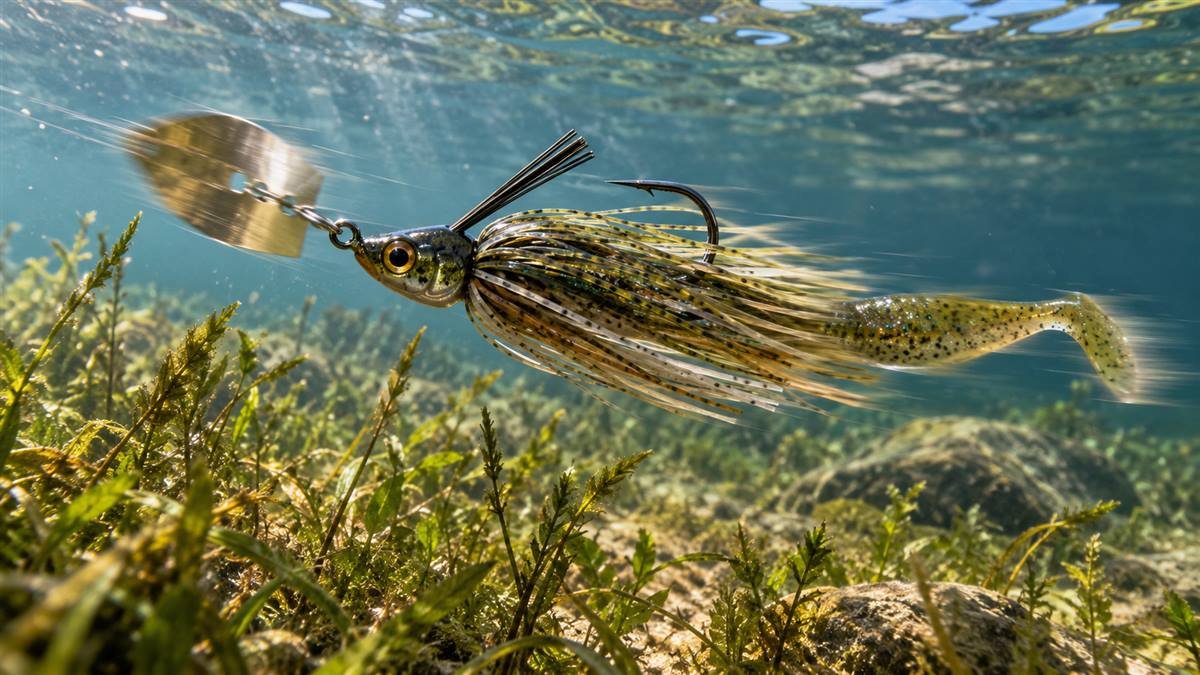
A cast leaves the lure sinking until the angler begins to reel. Forward movement presses water against the blade. Instead of rotating like a spinnerbait blade, it oscillates back and forth around its connection. Those rapid directional changes transmit force to the jig head, skirt, and trailer. The angler feels a repeated thump through the line, while nearby fish may detect displaced water as well as flash and silhouette.
Bass have a lateral-line sensory system that responds to water movement. That does not mean vibration alone guarantees a bite. Location, feeding state, visibility, and whether the lure passes through a useful strike zone all influence the outcome. Blade material and head contact can also create audible or felt changes, but individual lure designs differ.
- Begin the retrieve and take up slack.
- Moving water makes the blade oscillate.
- The connection transfers that motion to the weighted head.
- Skirt strands and trailer swim behind it.
- Flash, vibration, and occasional changes of direction create cues.
- Monitor the pulse: grass contact, a snag, or a strike may interrupt it.
On a steady retrieve, the blade supplies the basic action without repeated rod jerks. A brief speed change, pause, or light snap free of grass makes the path more erratic. Some designs also “hunt,” shifting slightly to one side before returning. Keep enough control to feel the lure; if the pulse disappears, inspect the bait before assuming a fish is on.
When and Where Should You Use a ChatterBait?
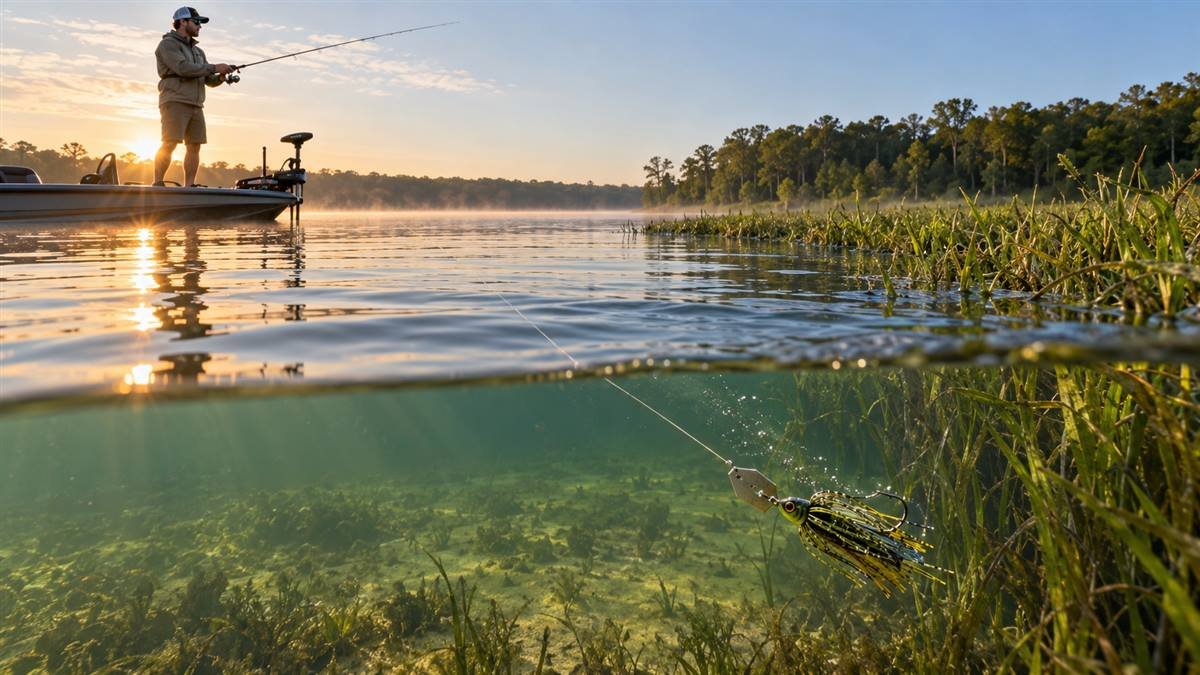
Reach for a bladed jig when bass have room to chase a moving lure and you can guide it through a productive lane. Submerged grass is a classic starting point. Cast past an edge or pocket, start the retrieve before the bait buries, and reel just above the vegetation. An occasional light tick against a stem followed by a controlled snap can change the lure's speed and sometimes provoke a reaction. If every cast loads with weeds, raise the rod, reel faster, or choose a lighter head.
Stained water is another useful setting because the blade gives fish a movement cue when visibility is limited. Shallow flats, the outside of grass beds, and creek mouths can be efficient search areas when baitfish and feeding bass are present. Wind-affected banks may concentrate forage or break up the surface, making a moving bait worth testing. Before the spawn, look around staging cover and adjacent shallow feeding water rather than assuming every bass is already on the bank.
Docks and isolated cover can also hold fish. Cast so the lure travels alongside a target instead of crashing into it. A single hook is easier to manage around light vegetation than exposed trebles, but a bladed jig is not completely weedless. Dense brush, low wood limbs, and hard snag points can still capture the blade or hook. In clear water, use a natural color, slimmer trailer, or greater casting distance when fish seem cautious.
| Condition | Why it can work | Suggested approach |
|---|---|---|
| Stained water | Movement adds a cue | Moderate steady retrieve |
| Submerged grass | Edges form travel lanes | Tick the tops; snap free lightly |
| Windy bank | Forage may shift shallow | Repeat casts across useful angles |
| Pre-spawn shallows | Bass may stage and feed | Search cover near deeper access |
| Clear water | Natural profiles can still work | Cast farther and refine color |
| Wood or brush | Fish may hold close | Retrieve carefully to limit snags |
When to change tactics: If fish follow without committing, vary speed or trailer before abandoning the area. If the bait continually snags, change the casting angle or choose a different lure. If fish seem inactive, try a slower presentation at their depth rather than repeating the same fast pass.
Best Seasons for ChatterBait Fishing

Water temperature, forage, cover, and bass location matter more than the month. Ask whether fish occupy a lane you can swim through at a speed they will chase.
Spring
Pre-spawn bass often travel between deeper staging water and warming shallows. Emerging vegetation, points beside flats, and hard transitions provide clear casting targets. A moderate retrieve can keep the bait in front of feeding fish; slow slightly if the water is cold. Red or fire-craw patterns are worth trying where local crawfish are relevant, but do not assume that color works in every lake.
Summer
Summer grass creates long edges and pockets. Target shallow activity early or late, then follow shade and the deeper outside edge as water warms. A heavier head can reach lower, but speed and trailer lift also set depth. Feel for grass contact.
Fall
Fall baitfish and creek transitions can make a moving lure useful for searching. Cover flats, creek mouths, and banks where prey is visible. Start with a baitfish-colored skirt and compact trailer. If fish follow, try a short speed change beside cover.
Winter
Bladed jigs can still catch bass when fish are positioned where a moving lure reaches them. Slow rolling at a useful depth and maintaining blade motion may be more productive than burning through cold water. If the bait will not stay in the strike zone at a controllable speed, another presentation may be better. Observe conditions rather than applying a single winter rule.
| Season | Likely location | Retrieve approach | Adjustment |
|---|---|---|---|
| Spring | Staging cover and new grass | Moderate to slow | Probe transition lanes |
| Summer | Grass edges and shade | Match depth and activity | Fish early, late, or deeper |
| Fall | Baitfish-rich flats and creeks | Search steadily | Follow moving forage |
| Winter | Concentrated fish at depth | Slow roll | Hold the proper lane |
How to Fish a ChatterBait: Five Retrieve Techniques
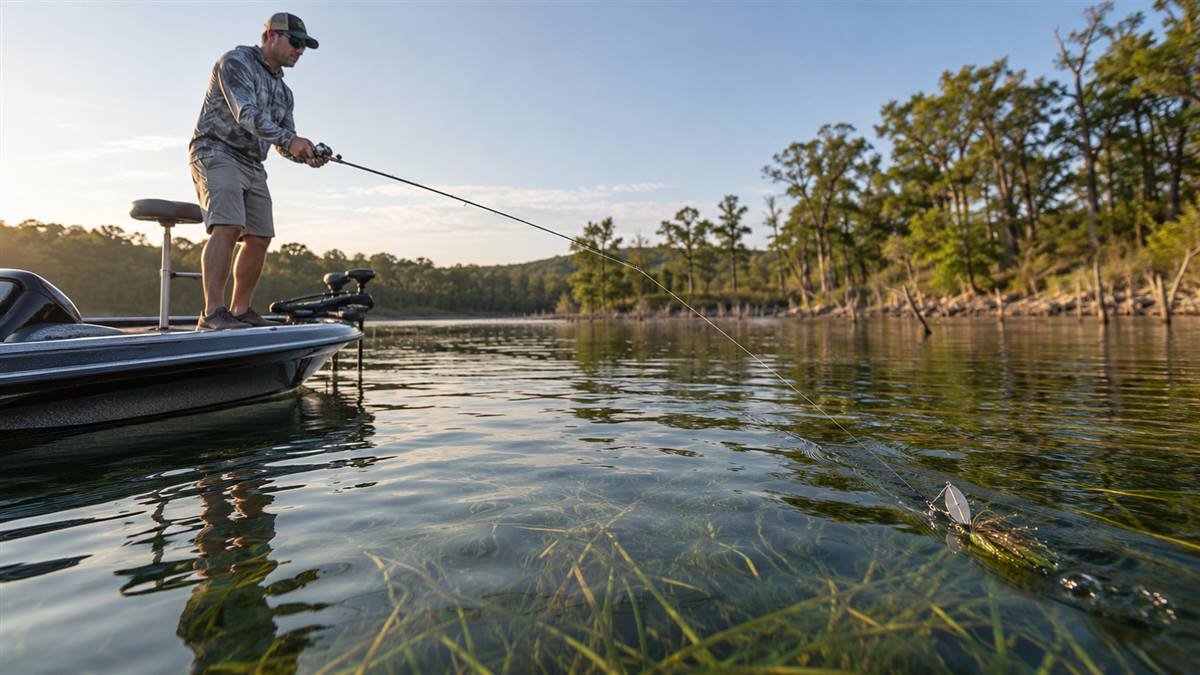
Cast beyond a likely fish position, let the lure sink to the intended lane, then reel until you feel the blade. That pulse is your reference: a sudden change can signal grass, a snag, or a strike. Keep the line controlled.
1. Steady Retrieve
Cast beyond a grass point or dock edge and reel steadily. Use rod angle to stay above cover. The blade provides action without extra rod work. Make several passes at different distances; a constant pulse confirms it is swimming.
2. Slow Rolling
After the cast, allow the bait to sink nearer the fish and reel slowly enough to hold a lower path. You still need enough water flow to keep the blade oscillating. If the lure repeatedly drags bottom or loses vibration, increase speed slightly, lift the rod, reduce trailer drag, or choose a lighter head. Slow rolling is a useful experiment in cooler water and along deeper grass edges.
3. Stop-and-Go Retrieve
Reel several turns, pause briefly, then restart. The bait may fall or change direction as the blade resumes. Try this when fish follow without striking or as the lure clears a target. Avoid long pauses that bury it in grass.
4. Rip Through Grass
Let the bait lightly touch the tops of submerged vegetation. When the pulse softens and you feel a stem, make a short, controlled rod movement to clear it, then resume the retrieve. The sudden acceleration can produce a reaction bite. Do not use a violent snap through dense, snag-prone brush or wood; a stuck blade and hook may only dig deeper.
5. Fast Retrieve or Burning
In shallow water with active bass, reel quickly so the lure runs high over cover. Keep enough rod control to prevent the bait from rolling or skipping unpredictably. If it breaks the surface, lower the rod or slow down. Burning is a situational search method; if bass are holding deeper or refuse the speed, return to a slower lane.
| Retrieve | Starting situation | Main cue |
|---|---|---|
| Steady | General searching | Keep the blade vibrating |
| Slow rolling | Cooler water or lower targets | Maintain slow, continuous action |
| Stop-and-go | Following or hesitant fish | Add a speed change |
| Rip through grass | Light submerged vegetation | Free the lure after contact |
| Fast | Active fish over shallow cover | Keep speed without losing depth control |
Beginner sequence: Cast beyond the target, settle to the intended lane, retrieve steadily, and feel the blade. Change one variable at a time. On a solid strike, maintain tension and use a controlled hookset. Inspect the lure after grass contact.
Choosing ChatterBait Size, Rod, Reel, and Line

A 3/8-ounce bladed jig is an approachable first choice for many shallow bass situations; a 1/2-ounce model offers another versatile starting point when you need casting distance or a deeper lane. A 1/4-ounce bait may suit a smaller profile or very shallow water. A 3/4-ounce head can help selected deeper or faster presentations. These are starting ranges, not guarantees of running depth.
Blade resistance, trailer size, line angle, and retrieve speed can move a lure higher or lower than its weight suggests. A broad paddle tail can increase drag and lift; a compact straight tail may run differently. Watch where the bait actually travels. If it hits grass too often, raise it with speed or a rod-angle change before buying a new weight.
For a beginner, a roughly 7-foot to 7-foot-4-inch medium-heavy casting rod offers useful casting and hook-setting power. Many anglers prefer moderate or moderate-fast action to keep tension on a moving fish; others use a faster composite rod. A baitcasting reel around 6:1 to 7:1 allows practical speed control. Approximately 15–20-pound fluorocarbon is a common open-water or light-cover starting range. Braid may be useful around heavier vegetation, but line choice, knot quality, and rod action should work together.
| Equipment | Common starting choice | Reason |
|---|---|---|
| Lure | 3/8 or 1/2 ounce | Versatile search weights |
| Rod | Medium-heavy casting | Control and hook-setting power |
| Action | Moderate to moderate-fast | May help maintain tension |
| Reel | About 6:1–7:1 | Easy retrieve-speed changes |
| Line | 15–20 lb fluorocarbon or suitable braid | Choose for cover and conditions |
Use what you can cast accurately and feel clearly. A setup that works over clean grass may need stronger line or a different rod around thicker vegetation. Test one lure and trailer combination before changing every piece of tackle.
Best ChatterBait Colors and Trailers for Different Conditions
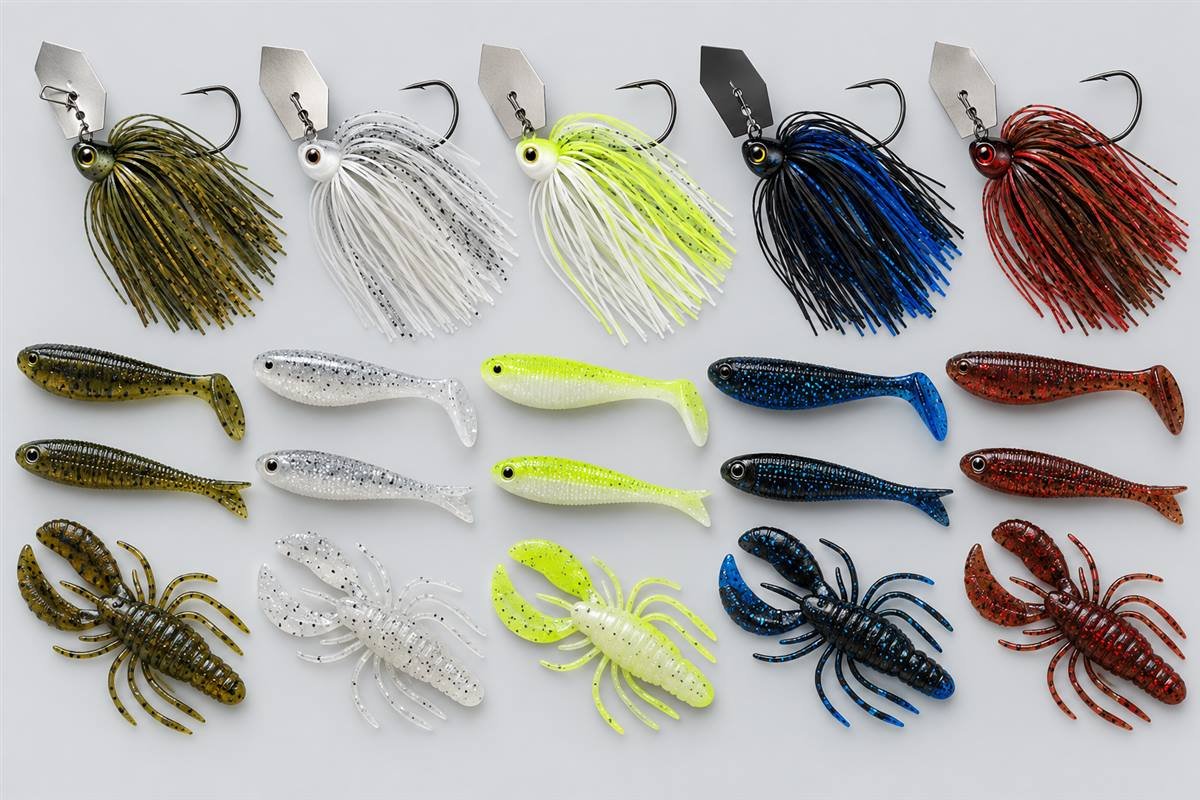
Choosing a ChatterBait Color
Start with the water's visibility and the forage bass are actually eating. Green pumpkin offers a natural bluegill or vegetation-related look. White or shad colors suit baitfish-rich areas. White with chartreuse can give a more visible profile in selected stained conditions. Black and blue makes a strong dark silhouette; red or fire-craw may fit spring water where crawfish are important. The same lake can reward different colors at different times, so treat these as testable associations.
| Color | Common situation | Prey association |
|---|---|---|
| Green pumpkin | Natural presentation | Bluegill and mixed forage |
| White / shad | Baitfish areas | Shad or minnows |
| White / chartreuse | Reduced visibility | Visible baitfish profile |
| Black / blue | Stained or dark water | Strong silhouette |
| Red / fire craw | Selected spring conditions | Crawfish |
Choosing the Right Trailer
A straight or fork-tail baitfish trailer can keep the bait slim and give it a restrained swimming outline. A paddle-tail swimbait adds tail motion and may add lift or drag. A craw or creature-style trailer builds a broader profile and can change how slowly the jig can be fished at a given depth. A smaller, slimmer trailer may help when bass follow but do not commit. Some models can be used trailer-free, although that removes profile and may alter balance.
Match the plastic to the hook length and skirt. Thread it straight so the bait tracks true. Leave enough hook gap exposed for a sound hookset. A very large trailer can overpower a small head, foul the hook, or create more lift than you want. Compare how the lure runs beside the boat or bank before drawing conclusions from its color alone.
- Do not choose a trailer only because its color matches the skirt; test its effect on depth and vibration.
- Avoid plastic that slides down, crowds the hook point, or twists the lure.
- If a color fails, first check fish location and running depth before changing several details at once.
ChatterBait vs. Spinnerbait, Swim Jig, and Crankbait
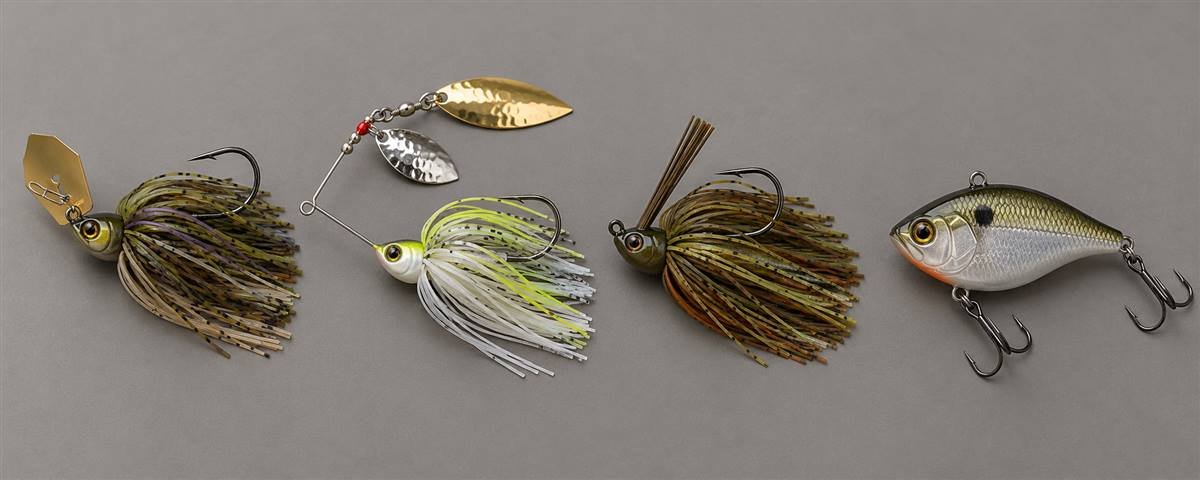
These lures may all cover water, but they send different signals and behave differently around cover. A bladed jig's front blade oscillates and drives the skirted head. A spinnerbait's blades rotate on an angled wire frame, adding flash and lift. A swim jig has a skirted single-hook body but no front vibrating blade, so it can offer a quieter swimming look. A lipless crankbait is a hard-bodied lure with internal vibration and exposed treble hooks; its profile and snag risk differ from a jig.
Choose the route through the cover first, then the action. A bladed jig is useful when a vibrating single-hook moving lure can run beside grass. A spinnerbait's wire frame may suit a different path or a flash-driven presentation. A swim jig can be a better test when fish appear to avoid heavy vibration. A crankbait can cover a target lane effectively when its body, sink rate, and hooks suit the area.
| Lure | Defining feature | Typical strength | Limitation |
|---|---|---|---|
| Bladed jig | Oscillating front blade | Grass-edge reaction retrieve | Can snag difficult cover |
| Spinnerbait | Rotating blades on wire arm | Flash and varied cover paths | Different pulse and profile |
| Swim jig | Skirted jig without blade | Subtle swimming | Less blade vibration |
| Lipless crankbait | Hard body, no diving lip | Open-water searching | Trebles can catch vegetation |
Quick choice: Start with a bladed jig for a noticeable pulse along accessible grass; try a spinnerbait for rotating-blade flash; switch to a swim jig for a quieter look; use a crankbait where its hard body and running behavior fit the target. None is automatically superior.
Common ChatterBait Fishing Mistakes

Most problems are easier to fix after identifying what the lure actually did on the last cast. Use this short troubleshooting guide before swapping every part of your setup.
| Mistake | Why it happens | What to try |
|---|---|---|
| Wrong retrieve speed | Bait runs above or below the target | Change pace and rod angle |
| Ignoring a lost pulse | Grass, a fouled blade, or a bite may stop it | Check tension, then inspect the lure |
| Unsuitable weight | Depth control becomes difficult | Choose a weight for the running lane |
| Forcing dense cover | Blade or hook catches brush | Work edges or change lures |
| Unbalanced trailer | Too much drag or covered hook point | Trim or change the plastic |
| Repeating an empty pass | Fish may be deeper or less active | Change angle, depth, or presentation |

FAQ
Frequently Asked Questions About ChatterBaits
Direct answers to common bladed-jig questions.
What is the difference between a ChatterBait and a spinnerbait?
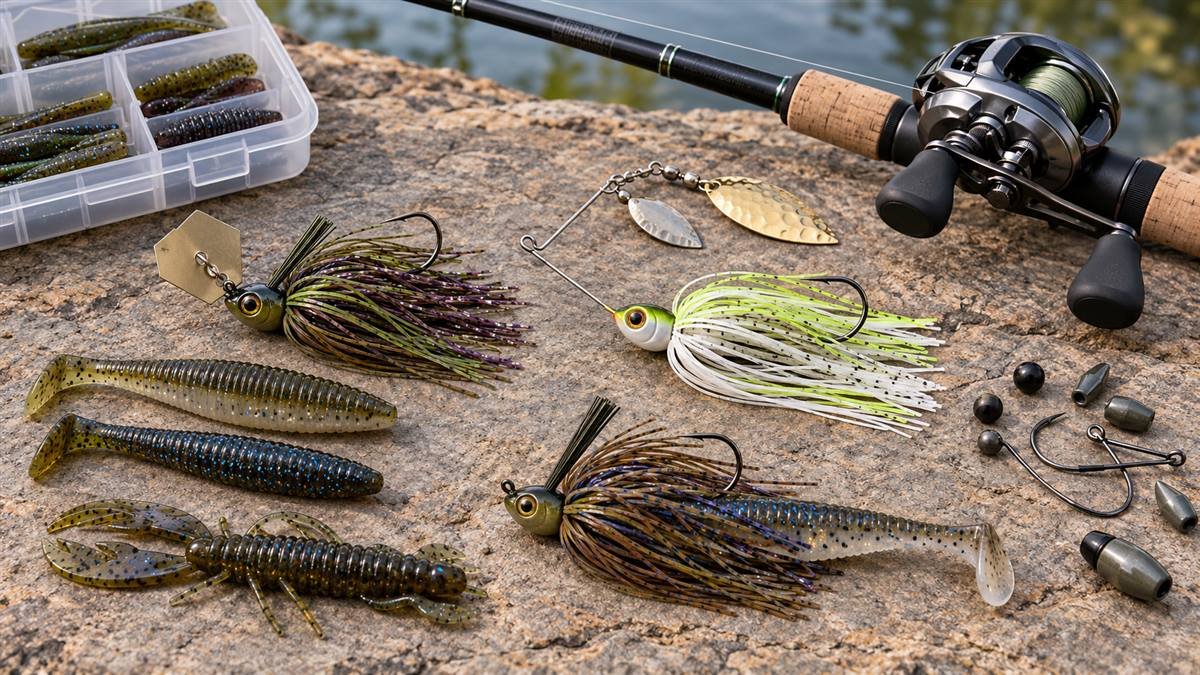
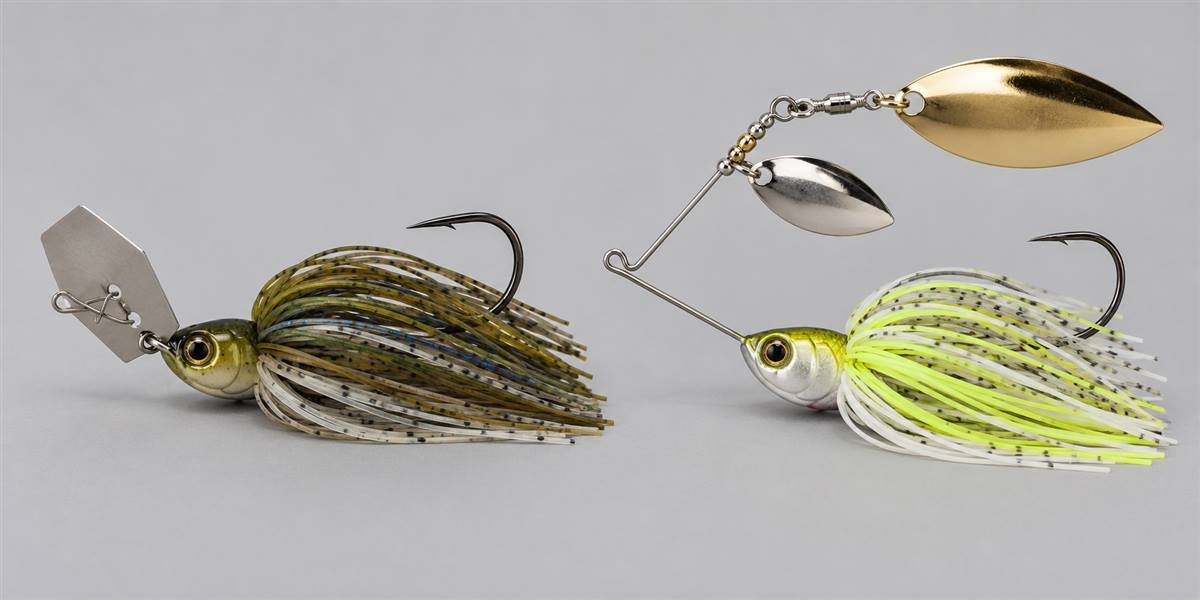
A ChatterBait has an oscillating metal blade attached ahead of a weighted jig head. A spinnerbait usually has one or more rotating blades on an angled wire arm above its skirted hook. Both are moving baits, but the blade motion, flash, vibration, and way each moves through cover differ.
What is the best time of year to use a ChatterBait?
Spring pre-spawn is often productive because bass may move shallow and feed near emerging grass. Bladed jigs can also work in summer, fall, and winter when fish occupy a reachable swimming lane. Let water conditions and fish location guide the retrieve more than the date on a calendar.
Are ChatterBaits good for beginners?
Yes. A beginner can cast beyond cover and reel steadily while feeling the blade work. That simple feedback makes it easier to notice grass contact or a sudden change in pressure. The learning curve is controlling running depth, retrieve speed, and the path past likely bass positions.
Can you fish a ChatterBait in clear water?
Yes. Clear water does not rule out a bladed jig, though a more natural color, smaller profile, longer cast, or less aggressive speed may help. Watch how visible the lure is and whether fish follow. If bass repeatedly refuse it, adjust depth or presentation rather than assuming clarity alone caused the problem.
Do you need a trailer on a ChatterBait?
No, but many anglers add one to change the lure's profile, lift, or tail movement. A baitfish shape keeps it slim; a paddle tail or craw-style body may add resistance. Try a straight, correctly sized trailer first. Fishing without one is possible when its bare skirted action suits the situation.
What size ChatterBait should a beginner use?
A 3/8-ounce or 1/2-ounce model is a practical starting range for many bass situations. Select the weight that lets you cast accurately and keep the lure in the intended lane. Lighter models can suit shallower or smaller presentations; heavier models may help at greater depth or speed.
Why is my ChatterBait not vibrating?
The retrieve may be too slow to start the blade, or the blade may be fouled by grass, a misaligned trailer, or a problem at the connection. Reel a little faster, then bring the lure in and inspect it. Do not keep casting a bait that has stopped pulsing for an unexplained reason.
Do ChatterBaits work at night?
They can. A dark skirt may create a useful silhouette, and a working blade gives the angler feedback in low light. Fish location, safe casting lanes, and a controllable retrieve remain more important than simply choosing a loud lure. Work known structure deliberately and adapt speed to fish response.
Beginner takeaway: Start with a 3/8- or 1/2-ounce model, feel for a steady pulse, run it through a clear lane near grass, and change one variable at a time.
CONCLUSION
Final Thoughts: When Should You Tie On a ChatterBait?
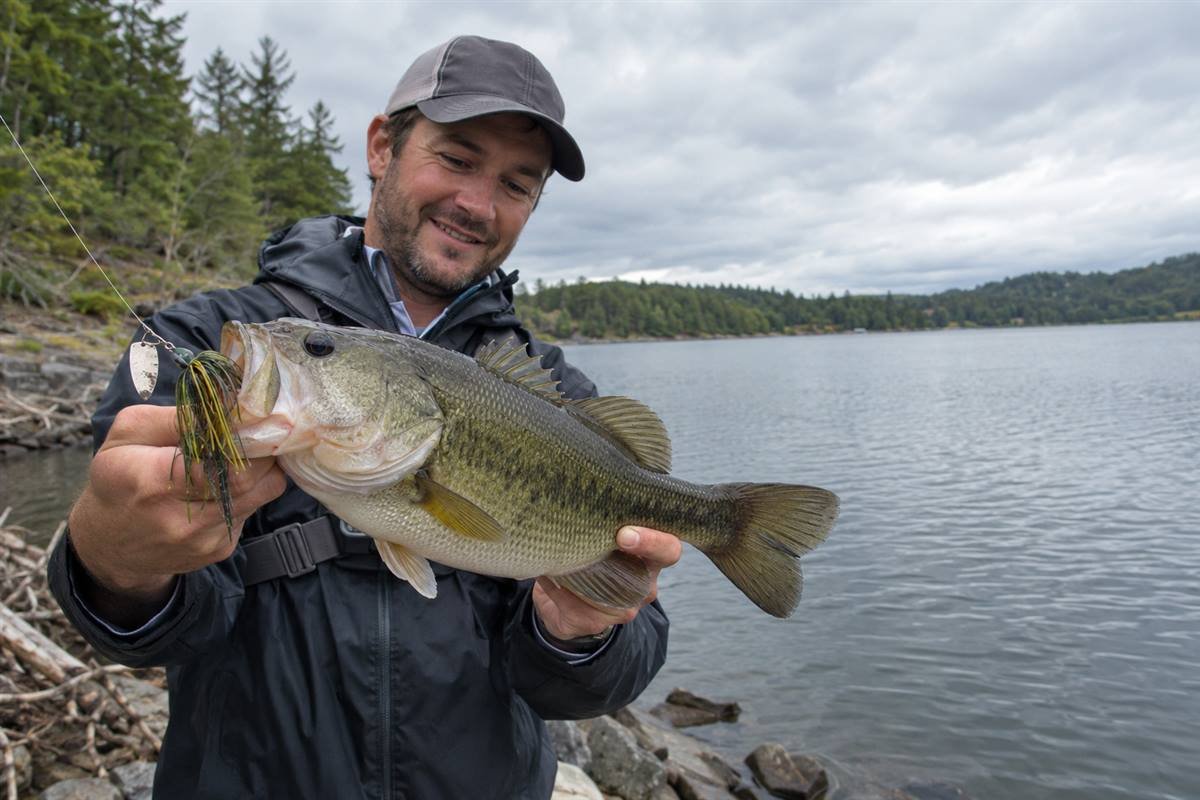
A ChatterBait is Z-Man's bladed-jig design, distinguished by a front blade that drives vibration through a skirted, single-hook lure. That pulse makes it a practical search bait around reachable grass edges and feeding bass. It is especially useful when fish respond to a moving target, but color, trailer, speed, and depth still need to suit the water.
Begin with one controllable setup and a steady retrieve. Once you know the lure's normal feel, adjust one feature and watch what changes.
- Understand how the blade makes the lure pulse.
- Start beside suitable shallow cover and vegetation.
- Learn a steady retrieve before adding variations.
- Match weight, color, and trailer to local conditions.
- Let fish response guide the next cast.
On your next bass trip, try a few deliberate passes and learn what the lure tells you through the rod.
Further reading and sources: Z-Man's ChatterBait history, Wired2Fish technique guide, Outdoor Life fishing guide, Bassmaster on conditions, and Take Me Fishing retrieve ideas.
ASK LURENEXA
Have a Question About ChatterBait Fishing?
Need help understanding ChatterBait techniques, lure selection, or fishing conditions? Send us your question and we'll be happy to help.

Published:
FURTHER READING
More Bass Fishing Guides
 Published guide
Chatterbait vs Spinnerbait
Compare blade action, vibration, cover performance, and fishing conditions.
 Published guide
Types of Fishing Lures
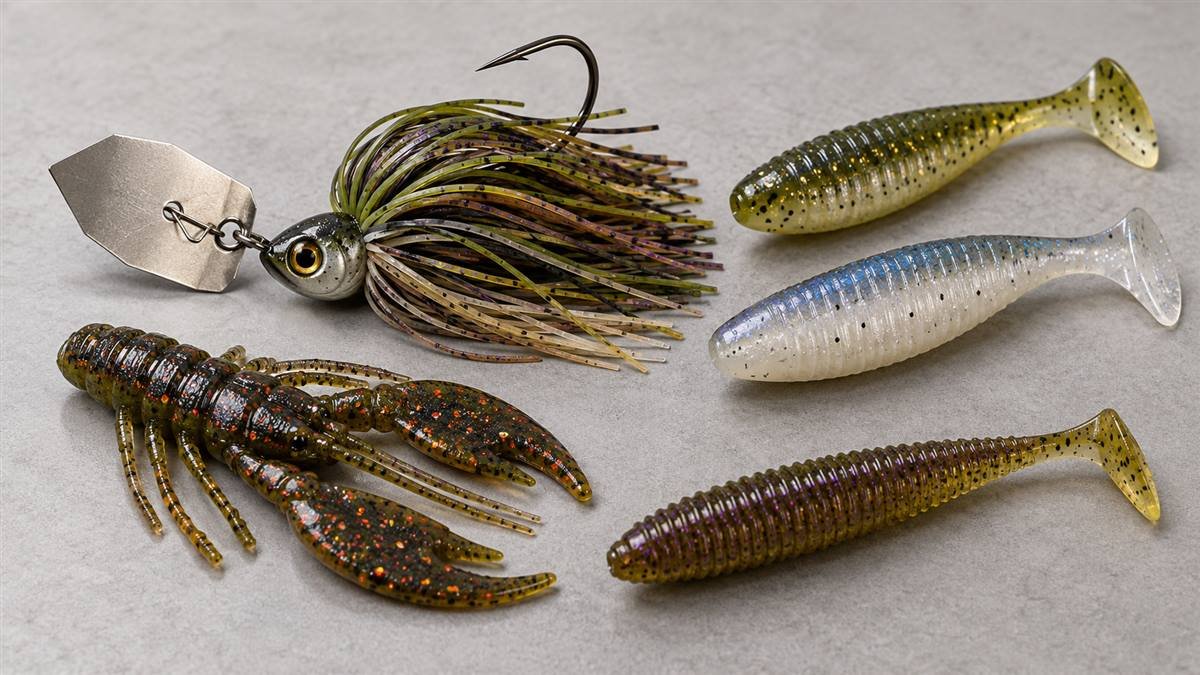
Place bladed jigs and soft-plastic trailers within the wider lure range.
 Published guide
What Is a Fishing Lure?
Learn how lure construction and movement shape a presentation.