
MAIN ARTICLE
What Is a Popper Fishing Lure?
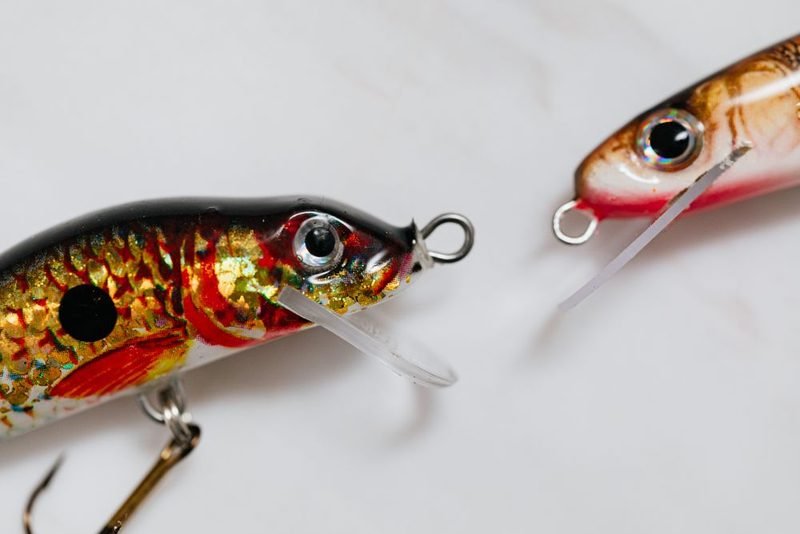
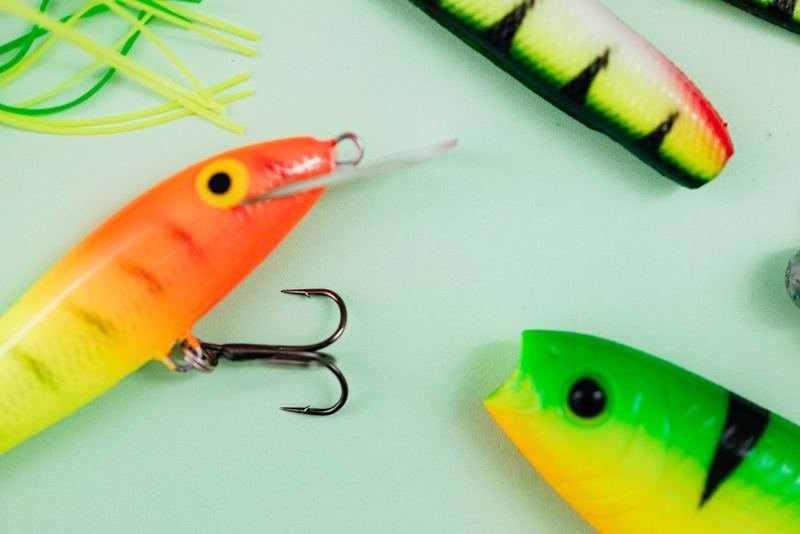
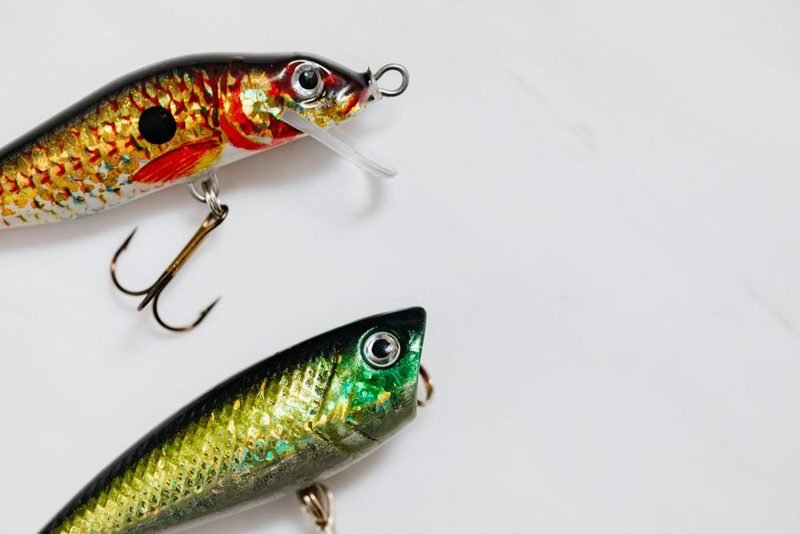
A popper is a hard topwater lure whose front is hollowed, flattened, or otherwise shaped to catch water. Most familiar models float at rest and are worked with short pulls, yet some saltwater designs are built for aggressive sweeps and may sit at a different angle. The defining feature is the water-working face, not a particular paint pattern or hook count.
Its body provides casting weight, buoyancy, and a visible target. The cup converts angler input into a disturbance. Hooks secure a fish after a strike. Hardware, rear feathers, rattles, and weights vary by model rather than appearing on every popper.
Basic Popper Anatomy
- Cupped mouth: meets and redirects water.
- Line tie: sets the pull angle into that mouth.
- Body and ballast: influence cast, float, and resting angle.
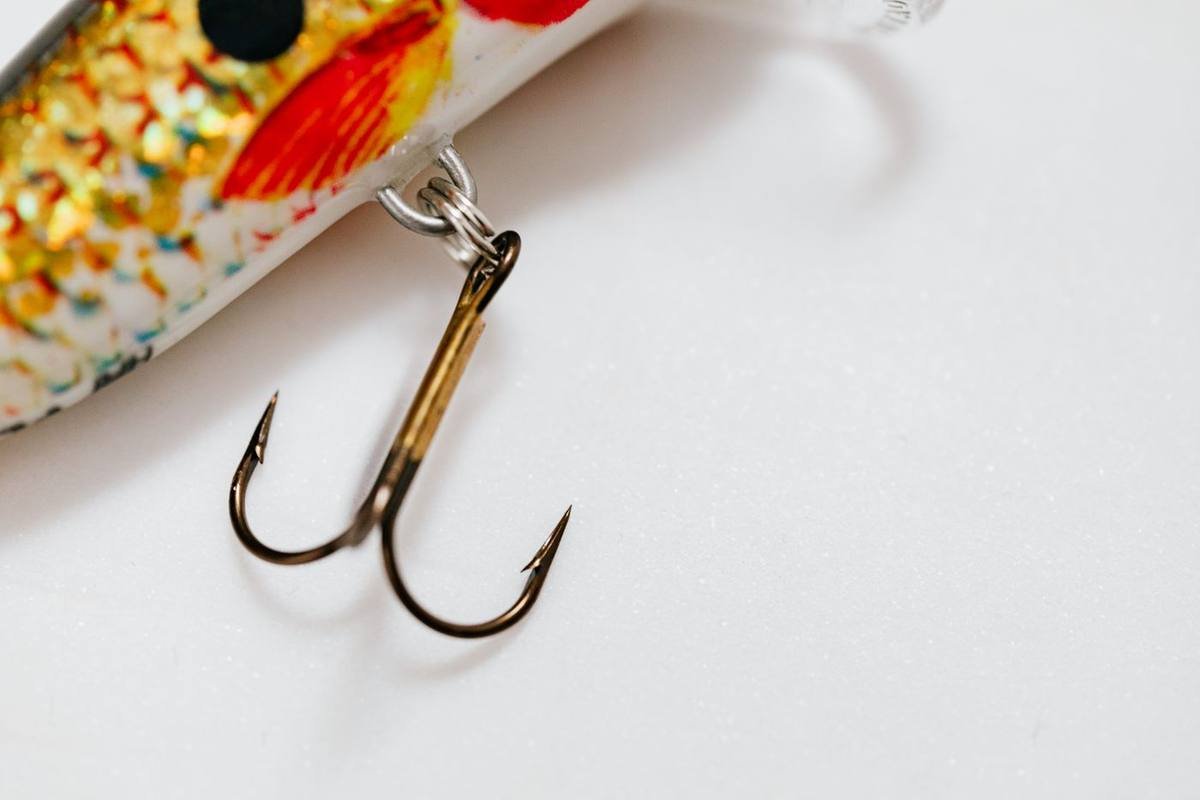
- Hooks and split rings: attach and hold a fish; inspect them for corrosion or damage.
- Optional rattle or dressed hook: adds a separate sound or visual cue.
A popper differs from a diving crankbait because its working zone is at the surface. It differs from a plain walking bait because its front face is built to push water.
How Does a Popper Actually Work?

Think of the cup as a small moving surface that resists being pulled cleanly through water. A rod twitch moves the line tie, then the body, toward the angler. The concave face presses into water immediately ahead of it. Water cannot pass straight through the lure, so it moves around the rim and surface. The resulting disturbance depends on the angle and speed of contact.
A shallow or narrow cup may skim, spit, or make a restrained pop. A broader, deeper face can hold more water briefly and may chug with a lower, heavier sound. If the lure lunges so far that it leaves the target area, a shorter stroke may produce a better controlled signal.
| Input or Part | Mechanical Effect | What You May See |
|---|---|---|
| Short twitch | Brief cup engagement | Compact pop and nearby ripple |
| Harder pull | More water redirected | Chug, splash, or larger boil |
| Shallow cup | Less water held at the face | Spit or subtle surface push |
| Deep cup | Stronger resistance when engaged | Fuller pop or chug |
| Pause | No new pull on the face | Fading ripples and a still target |
Test a new lure beside the boat or bank before making a long cast. Observe where the spray goes, how far the lure moves, and whether it returns to a stable floating posture.
Popper Sound Explained: Pop, Bloop, Splash, and Water Displacement

The familiar pop is mainly a consequence of the face meeting and moving water, often with air and water interacting around the cup. A single stroke may sound sharp, hollow, or low, depending on how much water the lure catches and how it releases it. A built-in rattle, when present, contributes another signal but does not create the cup's basic popping action.
Sound travels through air and water in different ways, and a person hears the airborne portion from above. Fish are also exposed to water movement and changing pressure around the lure. It would be inaccurate to say that every fish hears one exact “pop” in the same way an angler does, or that sound alone causes the strike.
- Audible pop: a short report as the face catches and releases water.
- Surface splash: droplets and spray made by redirected water.
- Ripples and boil: surface motion that continues after the stroke.
- Subsurface movement: displaced water beneath and around the body.
- Optional rattle: a distinct mechanical noise on models equipped with one.
Pop vs Chug vs Spit: What Is the Difference?
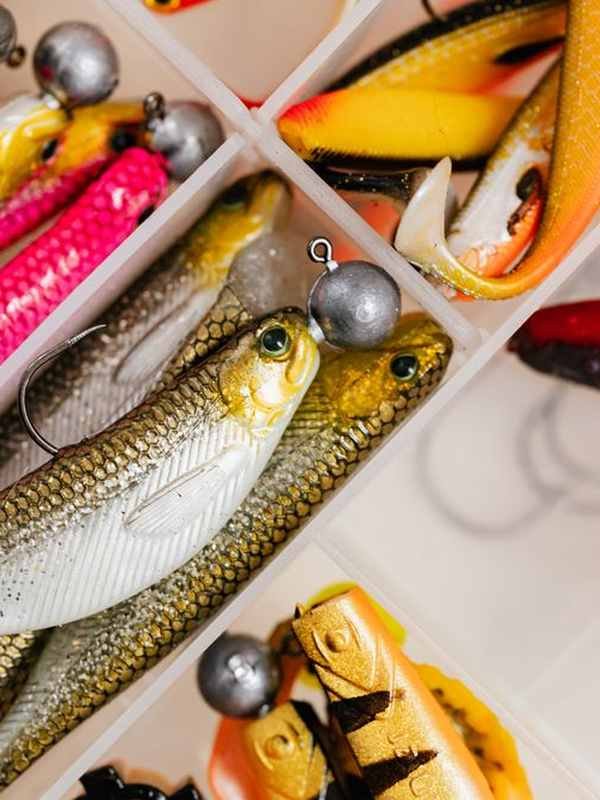
One lure can perform more than one action as the rod stroke changes.
| Action | Typical Appearance | Useful Input |
|---|---|---|
| Pop or bloop | Short sound and localized ripple | Short twitch, then stop |
| Chug | Deeper push and broader boil | Firmer pull with cup engaged |
| Spit | Spray thrown ahead of the lure | Quick, crisp strokes |
| Walk | Alternating side-to-side turns | Rhythmic twitches with controlled slack |
A pop and bloop are often used interchangeably, though “bloop” suggests a lower, rounder sound. Chugging generally moves a larger volume of surface water. Spitting emphasizes forward spray and can create a baitfish-like scattering impression. Walking requires a lure design and cadence that let the nose turn between strokes; not every popper does it well.
How Rod Movement and Line Tension Change Popper Action
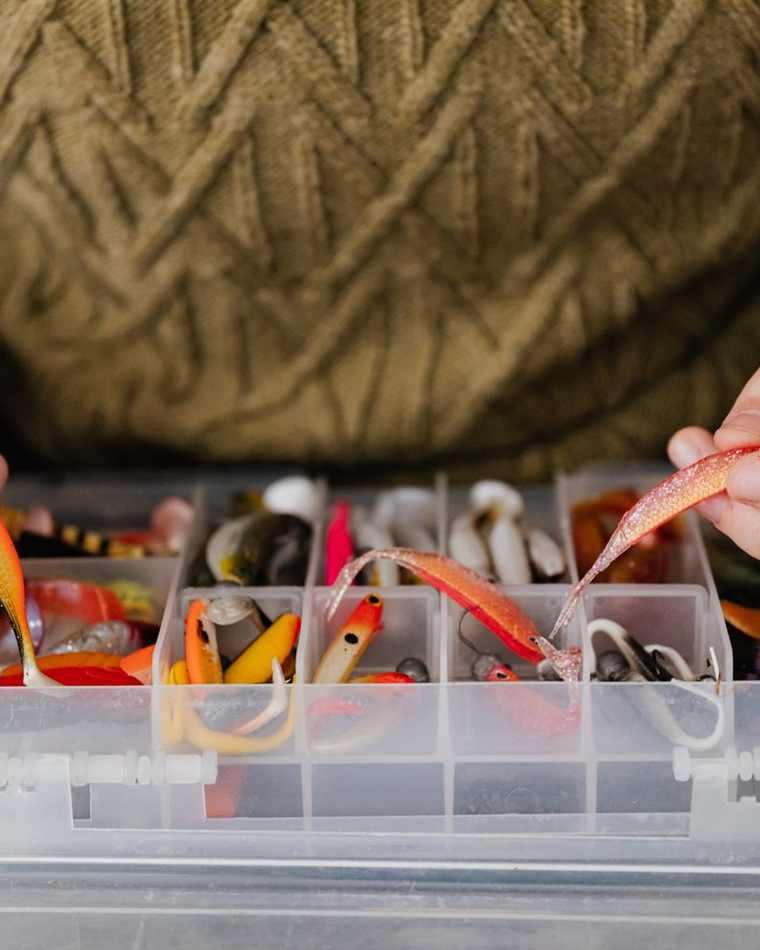
The rod creates the motion, while line tension determines how directly that motion reaches the lure. A short, soft twitch can disturb water without pulling the popper far from its target. A sharp downward snap can drive the cup more firmly, creating spray or a pronounced chug. A longer pull may make the lure travel too far unless you intend to cover water.
Start with the rod tip aimed low enough to control the stroke. After each twitch, recover only the loose line needed to keep contact. Controlled slack allows some models to turn and settle; a completely tight line may drag them forward continuously. Too much slack, however, makes the next pop unpredictable and can delay your response to a fish.
- Soft twitch: small movement, subtle sound, longer time beside cover.
- Hard snap: stronger cup engagement and more visible water.
- Long pull: more travel; useful when it suits the lure and target.
- Tight line: direct pull, but may limit side-to-side motion.
- Controlled slack: lets the lure reset while preserving enough contact.
If the lure dives or rolls, first shorten the stroke or change rod angle.
Popper Retrieve Cadence: Fast, Slow, or Pause?
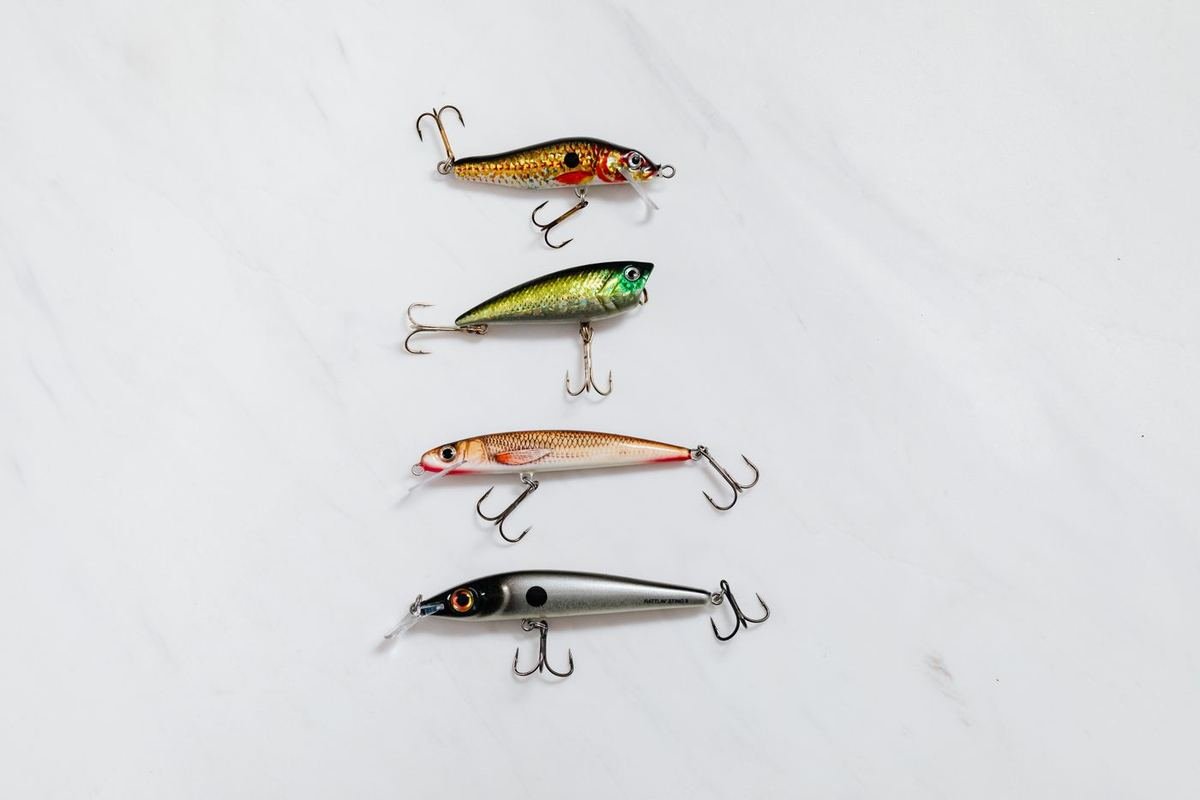
Cadence is the pattern of strokes and rests across a cast. It changes how long the lure stays near a target and whether the surface looks like a single disturbance or continuous commotion. Then alter only one part of it after watching fish activity or the lure's behavior.
| Cadence | Pattern | Starting Situation |
|---|---|---|
| Pop–pause | One twitch, then rest | Cover or uncertain fish response |
| Double-pop–pause | Two short twitches, then rest | Noticeable surface signal without travel |
| Fast spit | Quick, repeated strokes | Active fish or covering a bank |
| Long pause | Pop, then wait for ripples to fade | A following fish or precise target |
| Walk-and-pop | Alternating turns with occasional cup engagement | A model that tracks side to side |
Work a dock opening slowly, then move the lure more quickly across empty water.
Why the Pause Is So Important

The pause lets the water settle and keeps the lure in a promising place. A fish can track the surface target while its motion slows, and some strikes arrive during that quiet interval or on the next twitch.
There is no universal pause length. Begin with enough time for the lure to stop and its immediate ripples to spread. Near a dock, grass opening, or visible follower, let it sit longer if needed. When fish are chasing bait across open water, a brief pause may preserve momentum. Water temperature, fish activity, and cover can change what works.
Adjust the Pause
- Try longer: after a follow, a missed strike, or a cast landing beside a precise target.
- Try shorter: when fish are actively breaking the surface or the lure must cross open water.
- Watch closely: a small ring of ripples or a sudden line movement may reveal interest before a full splash.
Do not rush the hookset at the first visual explosion. Let the fish take the lure and feel its weight before sweeping or lifting firmly.
Where Do Poppers Work Best?

A popper is useful where a surface target can be noticed and reached by fish. It can remain near a specific piece of cover because short strokes move it only a little. Cast beyond or beside the spot when possible, so the first pop happens in the strike zone rather than pulling the lure out of it.
| Location | Presentation Idea |
|---|---|
| Docks | Pop alongside posts, shade, or an opening; pause beside the structure. |
| Wood | Work parallel to a laydown; leave room to steer hooks away from branches. |
| Vegetation | Trace grass edges and clear holes; avoid dragging trebles through dense mats. |
| Rock | Target points, banks, and breaks where fish can rise toward the surface. |
| Open water | Use visible baitfish or surface feeding as a starting clue. |
| Current breaks | Pause where faster and slower water meet, if the lure stays controllable. |
How Water Conditions Change Popper Action

In calm water, a small pop draws a clear ring of ripples. That makes a restrained stroke easy to see and hear from above. A hard chug can still work, but it may be more disturbance than you need near cautious fish. Start quietly and increase the signal if necessary.
Light ripple may soften the appearance of a subtle pop. A slightly firmer stroke or a larger cup can keep the lure noticeable without making it travel too far. Wind and chop can hide a delicate signal and make line control harder. In those conditions, stronger pops, shorter pauses, and a more visible lure can be practical starting points.
- Calm: test soft pops and longer rests.
- Light ripple: keep a clear rhythm and watch the lure's position.
- Chop: use enough disturbance to remain detectable, while managing wind-blown slack.
Fish may be absent from a surface zone, or a different lure may reach them better. Observe whether the cup still catches water cleanly before simply pulling harder.
How Popper Design Changes the Action
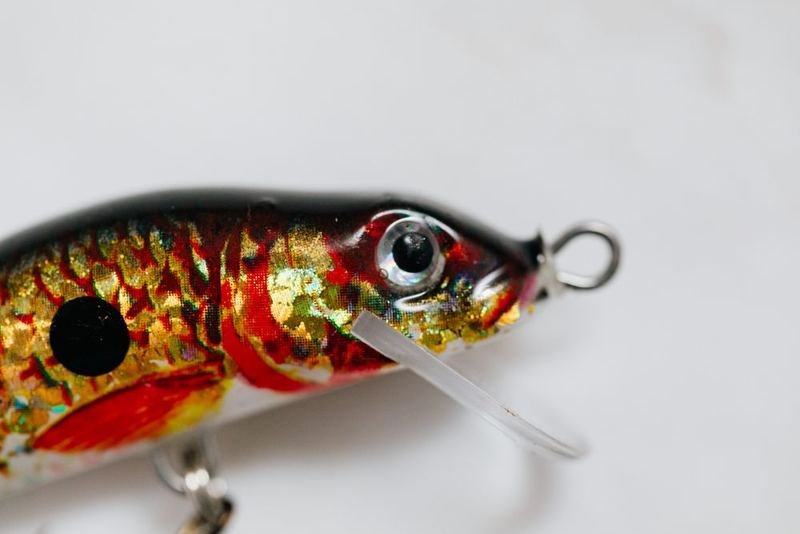
Two poppers can look similar in a package yet make different disturbances. The cup is the obvious difference, but the body beneath it determines how the lure enters and exits a stroke. Balance and line-tie position change how much of the mouth touches water.
| Design Feature | Likely Influence |
|---|---|
| Cup depth and width | How much water the face resists and redirects. |
| Body profile | Float, casting, stability, and visual target. |
| Resting angle | Which part of the cup meets water first. |
| Line-tie position | Direction of pull through the face. |
| Weight distribution | Cast distance and how quickly the lure settles. |
| Rattle chamber | Additional mechanical noise if fitted. |
| Dressed rear hook | Motion and a small visual target during the pause. |
A deeper cup may favor a strong chug, while a shallower mouth may throw forward spray. Yet a low line tie can pull a face into the surface more aggressively, and rear weight can alter how the bait rests. Feather or fiber on a rear hook may move even when the body sits still.
What Does a Popper Imitate?

A popper need not copy one animal perfectly. A small, lightly worked lure can suggest an insect or small baitfish trapped at the surface. A broader pop and splash may suggest feeding commotion or a struggling fish. Shape, color, size, and surrounding forage help determine what a fish might associate with it.
- Imitation: match a visible size and profile, such as small baitfish or a frog-like surface target.
- Suggestion: create a disturbance similar to prey movement without an exact match.
- Reaction: use a sudden change in movement or noise near a fish to draw attention.
How to Fish a Popper Step by Step
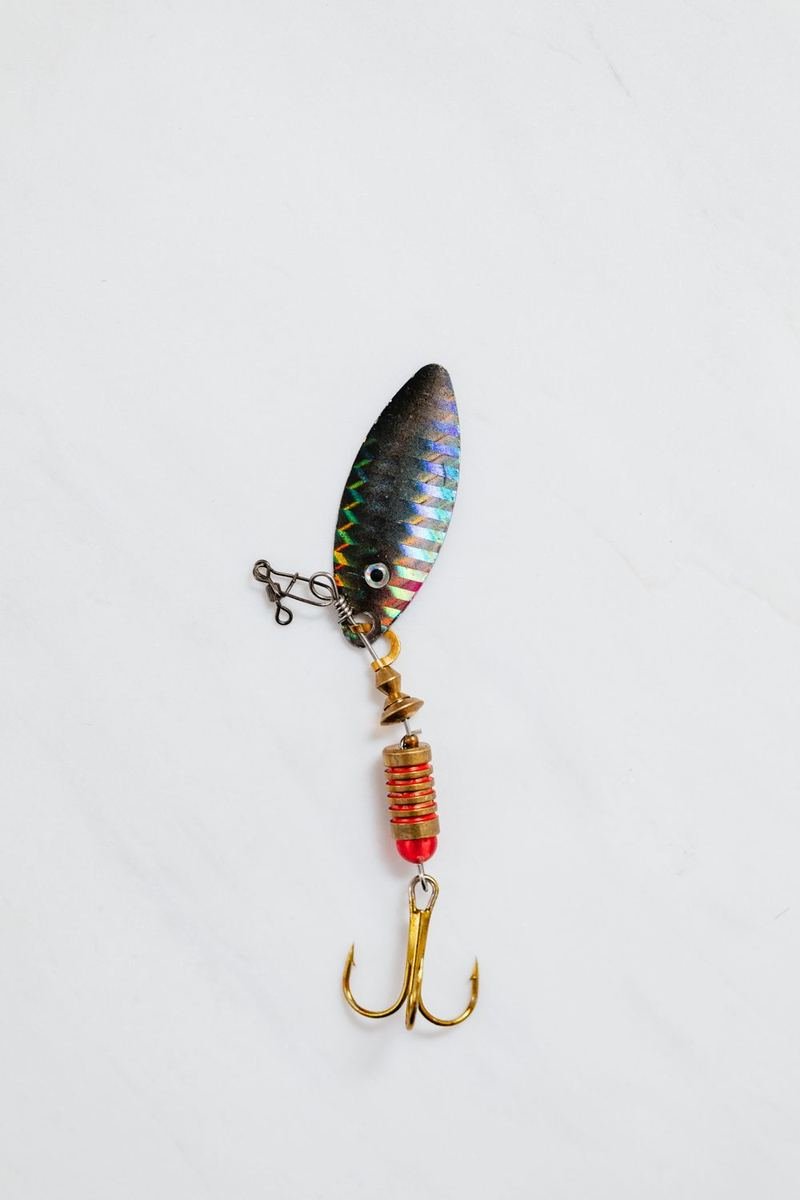
The goal is a repeatable presentation that keeps the cup working and the hooks away from obstacles.
- Choose the target. Pick a dock post, grass edge, rock point, or visible bait activity.
- Cast past or tight to it. Let the popper arrive without dragging line across the target.
- Let the lure settle. Give splashdown ripples a moment to spread.
- Remove excess slack. Keep enough line to control the next stroke.
- Make a short twitch. Watch the cup contact the water.
- Judge the result. Note sound, spray, and how far the body travels.
- Add a pause. Let the lure stop in the strike zone.
- Repeat a simple rhythm. Maintain consistent strokes for a useful comparison.
- Change cadence if needed. Try a softer pop, double-pop, spit, or longer rest.
- Respond to the strike. Wait until the fish takes the lure and you feel weight; then set the hook firmly and keep steady pressure.
If a fish misses, resist an instant hard sweep. Leave the lure in place briefly or make a small follow-up twitch. A visual splash alone does not confirm that the hooks are in the fish's mouth.
Popper vs Other Topwater Lures

The popper's water-catching face distinguishes it from other surface lures. A walking bait is designed mainly to turn side to side; a prop bait spins blades or propellers; a buzzbait uses a rotating blade during a steady retrieve. A wakebait makes a surface wake while swimming.
| Lure | Primary Surface Signal | Typical Input |
|---|---|---|
| Popper | Cup-driven pop, spray, and ripple | Twitch or pull with pauses |
| Walking bait | Side-to-side turns | Rhythmic rod twitches |
| Prop bait | Spinning prop wash | Pulls or retrieves |
| Buzzbait | Continuous blade churn | Steady retrieve |
| Wakebait | Trailing surface wake | Controlled steady retrieve |
Choose the popper when you want to make a concentrated disturbance and then stop beside a target. Choose another surface lure when its continuous path or distinct movement better fits the water you need to cover.
Freshwater and Saltwater Poppers

The cupped-face principle applies in both fresh and salt water. Smaller freshwater poppers are commonly used for bass and other surface-feeding species. Larger saltwater versions may target coastal or offshore fish and often use stronger bodies, hooks, split rings, and internal construction. Match the hardware to likely fish and the conditions rather than assuming every large popper is saltwater-ready.
- Freshwater: precise casts, small targets, and controllable pauses can matter around docks, weeds, and wood.
- Saltwater: casting distance, wave action, tackle strength, and corrosion resistance often matter more.
- Both: inspect hooks and line ties, and test the lure's action beside you before fishing it.
The same retrieve will not necessarily produce the same sound in a sheltered pond and moving coastal water.
Common Popper Fishing Mistakes
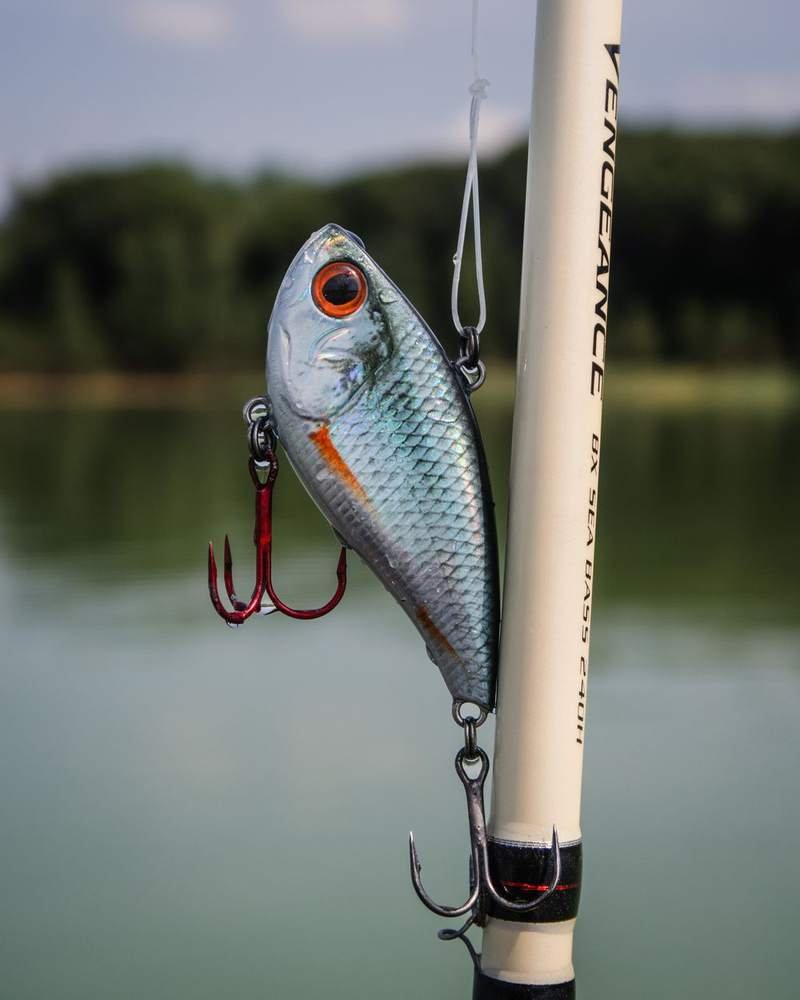
- Using one speed all day: try a slower or faster cadence after observing the response.
- Moving too far: shorten the stroke beside precise cover.
- Skipping every pause: let the lure settle after a useful pop.
- Making maximum noise everywhere: begin with a signal that suits surface conditions.
- Fishing too quietly in heavy chop: increase water displacement when subtle action disappears.
- Keeping the line completely tight: allow controlled slack when the lure needs room to turn.
- Leaving excessive slack: recover enough line to feel and direct the next stroke.
- Setting on the visual splash: wait for the lure to be taken and feel weight.
- Expecting identical sounds: cup, balance, and line angle make different poppers behave differently.